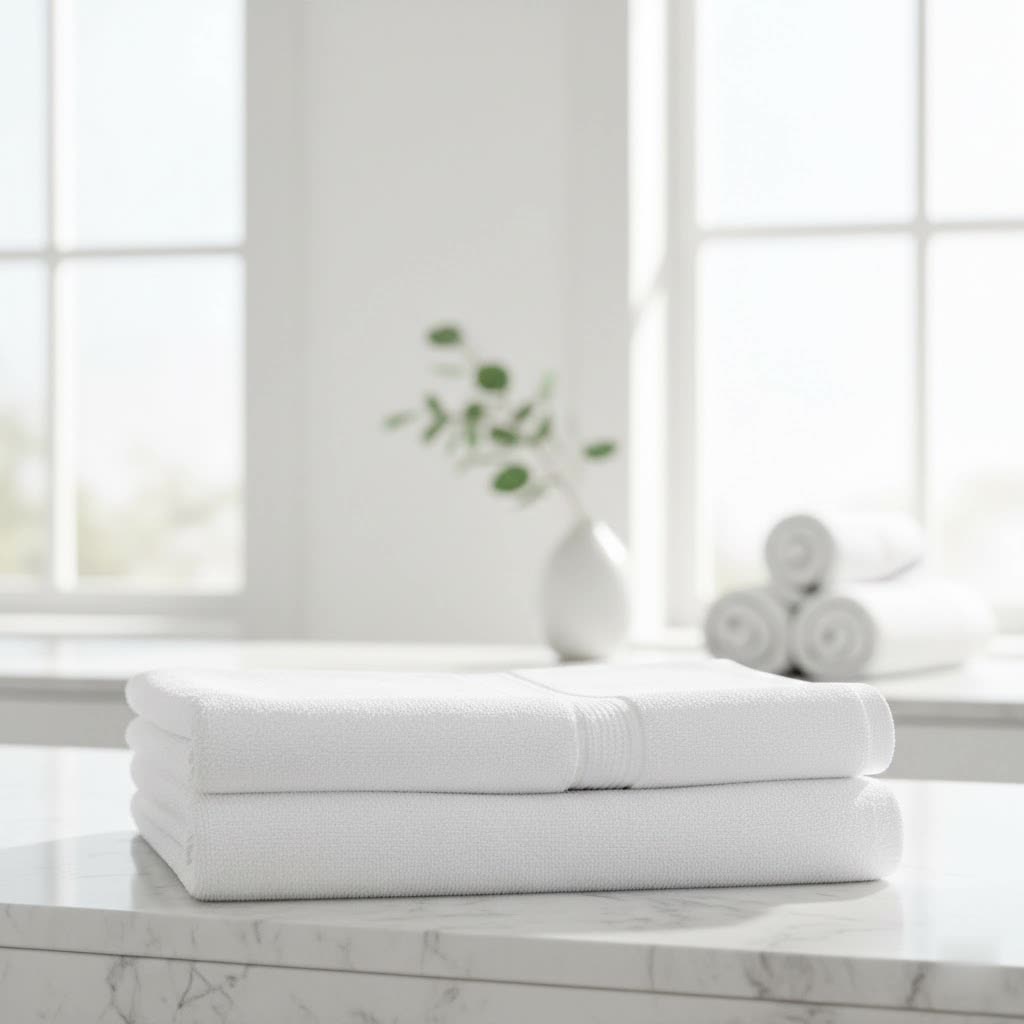
Stepping out of a warm shower, you instinctively reach for your bath towel. But have you ever considered if that everyday item truly enhances your post-bath experience? For centuries, Japanese bathing culture, particularly the relaxing onsen (hot spring) tradition, has embraced towels designed for efficiency, hygiene, and a profound sense of rejuvenation. The “Onsen Bath Towel” embodies these principles, offering a unique blend of functionality and understated luxury that can transform your daily routine into a spa-like escape.
Bath Towel: A Comprehensive Guide From A to Z
A bath towel is more than just a piece of fabric for drying; it’s an intimate part of your personal care ritual. A high-quality bath towel plays a crucial role in maintaining skin health, preventing bacterial growth, and providing a comforting, refreshing sensation after washing. In particular, towels inspired by the onsen tradition prioritize fast drying and exceptional absorbency, ensuring your skin is pampered and your towel stays fresh.
What is an Onsen Bath Towel? Why Do You Need a Good One?
|
Our Picks for the Best Bath Towel in 2026
We may earn a commission when you use one of our links to make a purchase.
|
||
| Num | Product | Action |
|---|---|---|
| 1 | Tens Towels Pack of 4 Extra Large Bath Towels 30 x 60 Inches, 100% Cotton, Larger & Lighter Weight, Quicker to Dry, Super Soft and Absorbent, Perfect for Bathroom, Burgundy |

|
| 2 | Amazon Basics 6 Pack Bath Towel Set, 54 x 27 inches, 600 GSM 100% Ring Spun Cotton, Lightweight and Highly Absorbent Quick Drying Premium Towels for Hotel, Spa and Bathroom, White |
|
| 3 | Tens Towels Pack of 4 Extra Large Bath Towels 30 x 60 Inches, 100% Cotton, Larger & Lighter Weight, Quicker to Dry, Super Soft and Absorbent, Perfect for Bathroom, Dark Grey |
|
| 4 | Amazon basics 2 piece Lightweight quick-dry bath towel, 100% cotton, Platinum, 54" x 30" |
|
| 5 | Tens Towels Pack of 4 Extra Large Bath Towels 30 x 60 Inches, 100% Cotton, Larger & Lighter Weight, Quicker to Dry, Super Soft and Absorbent, Perfect for Bathroom, Black |
|
| 6 | Tens Towels Pack of 4 Extra Large Bath Towels 30 x 60 Inches, 100% Cotton, Larger & Lighter Weight, Quicker to Dry, Super Soft and Absorbent, Perfect for Bathroom, Brown |
|
| 7 | Tens Towels Pack of 4 Extra Large Bath Towels 30 x 60 Inches, 100% Cotton, Larger & Lighter Weight, Quicker to Dry, Super Soft and Absorbent, Perfect for Bathroom, Beige |
|
| 8 | Amazon Basics 6 Piece Oversized Fade resistant Towel set, 100% Cotton towels for bathroom, soft and absorbent, 2 Bath Towels, 2 Hand Towels and 2 Washcloths bathroom towel set, Navy Blue |
|
| 9 | Tens Towels Pack of 4 Extra Large Bath Towels 30 x 60 Inches, 100% Cotton, Larger & Lighter Weight, Quicker to Dry, Super Soft and Absorbent, Perfect for Bathroom, Blue |
|
| 10 | Amazon Basics Soft and Thick Cotton Hand Towels, 16 x 26 in, White, 12-Pack |
|
An “onsen bath towel” often refers to a modern bath towel designed with characteristics inspired by traditional Japanese bathing culture, emphasizing quick-drying capabilities, high absorbency, and often a distinctive waffle weave. Unlike the small, thin towels traditionally brought to Japanese onsens for modesty and light drying before entering or exiting the communal hot spring pools (never to be dipped in the spring water itself), the contemporary onsen bath towel focuses on superior performance for daily use at home. These towels are essential because they not only dry you off quickly and efficiently but also contribute to better hygiene by resisting mildew and bacterial growth, promoting healthier skin, and enhancing your overall bathing experience.
Popular Bath Towel Types on the Market
The market offers a wide array of bath towels, each with unique properties based on their material, weave, and intended use. Understanding these differences is key to selecting your perfect match.
Classification by Material:
- Cotton (Waffle Weave – Onsen-style): Often made from premium materials like Supima® cotton, these towels feature an open, honeycomb-like waffle texture. This weave significantly increases surface area, allowing for rapid moisture absorption and exceptionally fast drying times. They are typically lighter than traditional terry towels, yet highly effective.
- Cotton (Terry): The most common type, recognized by its looped pile construction that creates a soft, plush feel. Terry towels are known for their absorbency but can be slow to dry, making them prone to accumulating moisture and odors.
- Microfiber: A synthetic blend, usually polyester and polyamide, known for its ultra-absorbent and quick-drying properties. Microfiber towels are lightweight and compact, making them popular for travel or sports. However, some find their texture less natural than cotton.
- Bamboo: Derived from bamboo pulp, these towels are exceptionally soft, naturally hypoallergenic, and possess antimicrobial properties. They are also highly absorbent and environmentally friendly, though they can sometimes feel slightly heavier when wet compared to waffle weaves.
- Linen: Valued for its strength, durability, and natural exfoliating texture. Linen towels are highly absorbent and quick-drying, becoming softer with each wash. They offer a rustic, minimalist aesthetic.
Classification by Size and Purpose:
- Bath Sheet: The largest size, offering generous coverage for full-body wrapping and ultimate luxury. Ideal for those who prefer maximum comfort.
- Bath Towel: The standard size for everyday use, providing ample coverage for drying after a shower or bath.
- Hand Towel: Smaller than bath towels, perfect for drying hands or as a decorative accent in bathrooms.
- Face Towel (Washcloth): The smallest size, designed for facial cleansing, gentle exfoliation, or quick touch-ups.
- Sports/Travel Towel: Often lightweight, compact, and quick-drying, typically made from microfiber or thin waffle weave cotton.
- Baby Towel: Extra soft and often hooded, designed for delicate infant skin.
Detailed Comparison Table of Bath Towel Types
Choosing the right towel involves weighing various factors. Here’s a comparison to help you understand the strengths and weaknesses of popular types:
| Material | Advantages | Disadvantages | Best Suited For |
|---|---|---|---|
| Waffle (Onsen-style – Supima Cotton) | Quick-drying, exceptionally absorbent, lightweight, resistant to mildew/odor, durable, gentle exfoliating texture, often OEKO-TEX certified. | Can feel less plush initially compared to thick terry; premium versions may have a higher price point. | Daily luxury, humid climates, sensitive skin, travel, creating a spa-like experience at home, eco-conscious users seeking longevity and freshness. |
| Terry Cotton | Plush, incredibly soft, very absorbent, comfortable, warm. | Slow drying, prone to mildew and bacteria growth, can be heavy and bulky, higher lint production. | Those who prioritize extreme softness and thickness, cooler climates, or a classic, plush feel. |
| Microfiber | Ultra-absorbent, extremely fast-drying, lightweight, very compact, lint-free. | Synthetic feel that some find less luxurious or natural, can be less breathable than cotton, may not be ideal for sensitive skin due to strong grip. | Sports, travel, camping, quick drying needs where packing space is limited, cleaning tasks. |
| Bamboo | Exceptionally soft, naturally antibacterial and hypoallergenic, eco-friendly, highly absorbent, smooth drape. | Can be more expensive, may not be as durable as high-quality cotton over many years, can feel a bit slippery when wet. | Sensitive skin, eco-conscious individuals, those seeking a silky-soft luxury feel, humid environments due to natural antimicrobial properties. |
| Linen | Extremely durable, highly absorbent, quick-drying, becomes softer with repeated use, naturally antimicrobial, breathable, elegant. | Can feel coarse or stiff initially, may wrinkle easily, higher price point. | Minimalist aesthetics, durability and longevity, hot and humid climates, those who appreciate a rustic, textured feel that softens over time. |
Buying Guide for Bath Towels: Choose Like an Expert
Selecting the perfect bath towel goes beyond just picking one off the shelf. As an admin of ReviewsByMia.com with a decade of towel expertise, I can tell you that a discerning eye makes all the difference.
1. Determine Your Usage Needs:
Before anything else, consider the primary purpose of your towel.
- Daily Use: Are you looking for a workhorse towel that stands up to frequent washing and drying? Focus on durability and quick-drying properties.
- Travel/Gym: Compactness, lightweight design, and ultra-fast drying are paramount.
- Spa-like Experience: Seek towels that offer a luxurious feel, superior absorbency, and maintain freshness.
- Sensitive Skin/Baby: Prioritize softness, hypoallergenic materials, and certifications.
- Humidity: In damp environments, a quick-drying waffle weave is invaluable for preventing musty odors.
2. Evaluate Quality Like a Pro:
This is where true expertise comes in. Don’t just look; feel and inspect.
- Weave and Material: For an “onsen-style” experience, waffle weave is key. Look for a pronounced, open waffle pattern that creates small, thirsty pockets for absorption and allows air to circulate freely. The material should ideally be 100% long-staple cotton, such as Supima® cotton. Supima’s extra-long fibers yield stronger, smoother threads that resist pilling, enhance softness, and improve durability compared to standard cotton.
- Thickness and Weight (GSM): While many equate thick towels with quality, onsen-inspired waffle towels often defy this. They are intentionally lighter and less bulky than traditional terry towels, yet their unique weave makes them remarkably absorbent and quick-drying. Don’t be fooled by a lighter feel; it often indicates superior functionality for this style.
- Softness and Texture: Premium waffle towels should feel soft yet have a subtle, stimulating texture that gently exfoliates the skin. They are not typically “plush” in the fluffy sense of terry, but offer a different kind of comfort that often improves with washing.
- Stitching and Construction: Examine the hems and edges. They should be tightly woven, double-stitched, and free of loose threads. Quality construction ensures your towel withstands countless washes without fraying or losing its shape.
- Absorbency and Drying Speed: This is a hallmark of the onsen bath towel. While you can’t test absorbency in a store, look for descriptions highlighting “honeycomb pockets,” “quick-drying,” and “high absorbency.” The open waffle weave inherently facilitates fast drying by maximizing surface area for evaporation, which is crucial for preventing odor and bacteria.
- Certifications: Look for labels like OEKO-TEX® Standard 100. This certification guarantees that the textile has been tested for harmful substances and is safe for human ecological requirements, giving you peace of mind, especially for sensitive skin.
3. Choose Color and Style:
While functionality is paramount, aesthetics matter. Onsen-inspired towels often come in natural, earthy tones or classic neutrals that evoke a sense of calm and sophistication, easily complementing any bathroom decor. Simple, clean designs are often preferred to emphasize their functional elegance.
Top Onsen-Inspired Bath Towels Today
When seeking the best onsen-inspired bath towels, focus on these defining characteristics that guarantee a superior experience, rather than specific brand names. The market offers excellent options that embrace the quick-drying, absorbent, and hygienic qualities of this unique style.
Look for towels crafted from 100% premium long-staple cotton, such as Supima® cotton, renowned for its strength, exceptional softness, and long-lasting quality. The hallmark of these towels is their waffle weave design, which creates distinct “honeycomb pockets.” This innovative texture isn’t just visually appealing; it significantly increases the towel’s surface area, allowing it to wick away moisture rapidly and dry remarkably fast. This quick-drying ability is critical for preventing the growth of mildew and bacteria, keeping your towel fresh and odor-free for longer.
Top-tier onsen-style bath towels are also notably lightweight and less bulky than traditional terry towels, making them ideal for both daily use and travel without sacrificing absorbency. Despite their lighter weight, they are highly durable and designed to become softer and even more absorbent with each wash. Many leading options are OEKO-TEX® certified, ensuring they are free from harmful chemicals and safe for sensitive skin. You’ll find them available in various sizes, from generous bath sheets to practical hand and face towels, often in a palette of serene, earthy tones that bring a spa-like tranquility to your bathroom.
Tips to Keep Your Bath Towels Soft and Durable
Proper care is essential to maintain the softness, absorbency, and longevity of your onsen bath towels.
-
Wash Correctly:
- Temperature: Wash in warm water with similar colors to prevent shrinking or color bleeding. For waffle weaves, cold water can also be effective and gentler on the fibers.
- Detergent: Use less detergent than you might for other laundry. Excess detergent can build up in fibers, reducing absorbency.
- Fabric Softener: Avoid fabric softeners entirely, especially for waffle weave towels. They can coat the fibers, making towels less absorbent and potentially trapping odors over time. Instead, a cup of white vinegar added to the rinse cycle can naturally soften towels and remove residue.
- Load Size: Don’t overload the washing machine, allowing towels to agitate freely for a thorough clean.
-
Dry Thoughtfully:
- Air Dry or Low Heat: Waffle weave towels dry exceptionally fast. Air drying is often sufficient and helps preserve the fibers. If using a dryer, opt for a low heat setting to prevent damage and over-drying, which can make towels stiff.
- Avoid Direct Sunlight: Prolonged exposure to direct sunlight can fade colors and potentially weaken fibers.
- Shake Out: Give your towels a good shake before drying to fluff the fibers and maximize air circulation.
-
Store Properly:
- Always ensure towels are completely dry before folding and storing them in a linen closet or drawer. Storing damp towels can lead to mildew and musty smells.
- Fold them neatly to maintain their shape and keep your storage area organized.
-
Combat Odors:
- If your towels develop a musty smell, wash them in hot water with one cup of white vinegar (no detergent), followed by a second wash cycle with half a cup of baking soda (no detergent). This combination helps to strip away residue and naturally deodorize the fabric.
-
When to Replace:
- Even the best towels eventually wear out. Consider replacing your towels when they lose their absorbency, become consistently stiff or scratchy, develop persistent odors despite proper washing, or show significant signs of wear and tear like thinning patches or frayed edges. Typically, good quality towels last 2-5 years with proper care.
“A good bath towel isn’t just a personal item; it’s a daily companion that cares for your skin and elevates your personal well-being.” – ReviewsByMia.com Expert
Conclusion
The onsen bath towel, with its intelligent design and premium materials, represents a significant upgrade from conventional options. By embracing the principles of quick-drying efficiency, superior absorbency, and hygienic freshness, these towels transform your post-shower routine into a truly revitalizing ritual. Whether you’re seeking to prevent musty odors, pamper sensitive skin, or simply bring a touch of spa-like luxury into your home, the distinctive waffle weave and quality craftsmanship of an onsen-inspired towel make it an invaluable addition.
Ready to experience the difference a truly exceptional bath towel can make? Why settle for an ordinary dry when you can indulge in a quicker, cleaner, and more luxurious experience every single day?
Frequently Asked Questions
Which bath towel is best for sensitive skin?
For sensitive skin, onsen-style waffle weave bath towels made from 100% Supima® cotton are often recommended. Their gentle, exfoliating texture and quick-drying properties minimize moisture buildup, reducing the chance of bacterial growth and irritation. Always look for OEKO-TEX® Standard 100 certification to ensure the towel is free from harmful chemicals.
Why do my towels smell even after washing?
Towels often smell due to slow drying, which allows bacteria and mildew to thrive in damp fibers. Overuse of fabric softener can also trap residues and odors. Onsen-style waffle weave towels combat this by featuring an open weave that promotes rapid air circulation and quick drying, significantly reducing the environment for odor-causing microbes.
What’s the difference between a bath towel and a bath sheet?
The primary difference between a bath towel and a bath sheet is size. A standard bath towel typically measures around 27×52 inches, providing ample coverage for drying. A bath sheet is considerably larger, often around 35×60 inches or more, offering a more luxurious, full-body wrap for maximum comfort and coverage.