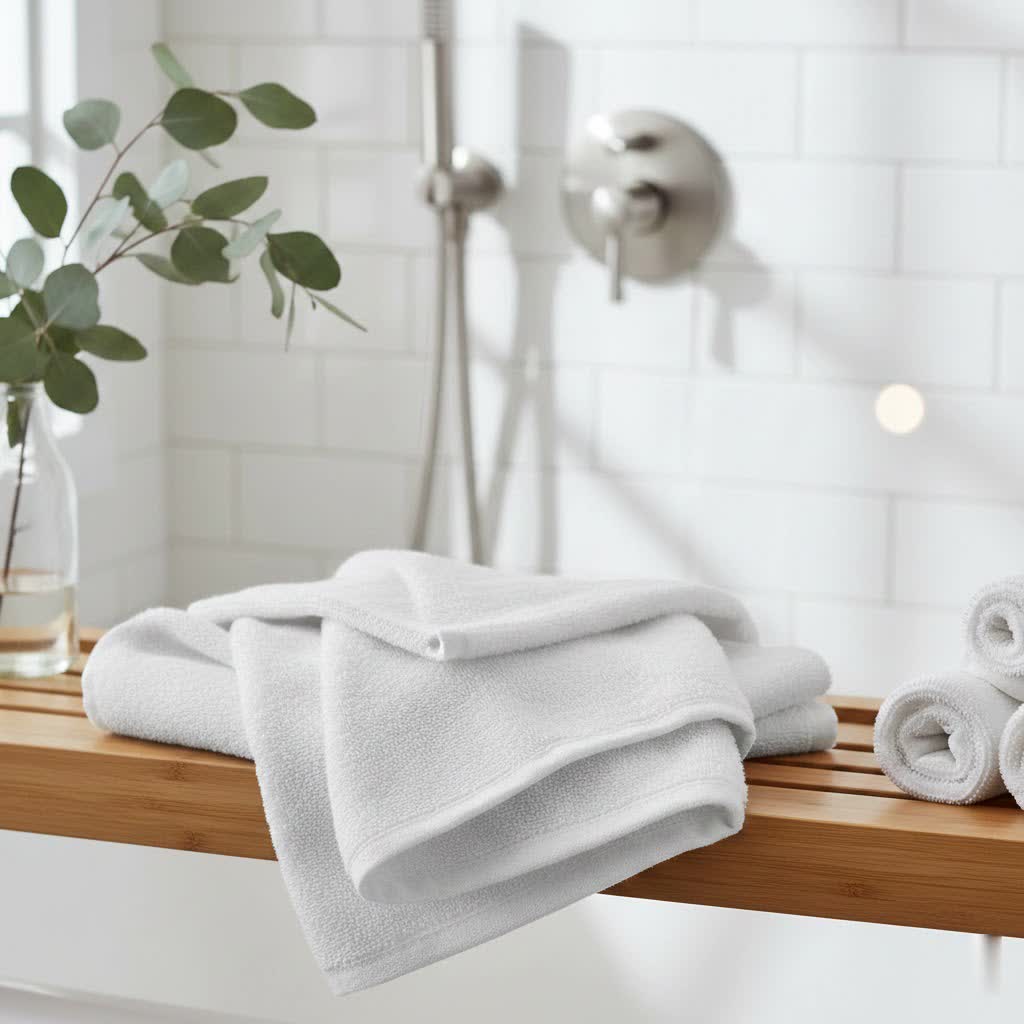
The price of a bath towel is influenced by its material, GSM (Grams per Square Meter), size, construction, and brand reputation. High-quality materials like long-staple cotton (Egyptian, Turkish, Pima) and bamboo fibers typically result in higher prices due to their superior softness, absorbency, and durability. For instance, luxury bath towels can range from $30 to over $50 individually, while basic options may cost under $15 per towel.
What is a Bath Towel and Why Does a Good One Matter?
At its core, a bath towel is a piece of absorbent fabric designed to dry the body after washing. It’s a daily essential, a silent workhorse in our bathrooms. Yet, a good bath towel transcends mere utility. It plays a crucial role in maintaining skin health by effectively wicking away moisture without irritation, and it significantly enhances your post-bath or shower experience, turning a routine task into a moment of indulgence. The quality of a bath towel directly impacts its softness, absorbency, durability, and even its drying time, all of which contribute to your overall satisfaction and the towel’s longevity. Investing in a quality towel means investing in better skin care and a more luxurious start or end to your day.
Understanding Bath Towel Pricing: Key Factors at Play
The wide range in bath towel prices isn’t arbitrary; it’s a reflection of several critical factors that determine a towel’s quality, performance, and overall value. From the fibers it’s woven from to its density and how it’s constructed, each element contributes to the final cost.
Material Matters
The type of fiber used is perhaps the most significant determinant of a bath towel’s price and performance.
- Cotton: The most common material, cotton’s quality varies widely based on fiber length, known as staple.
- Long-staple cottons like Egyptian, Turkish, and Pima are highly prized. Their longer, finer fibers create a stronger, smoother yarn, resulting in towels that are exceptionally soft, highly absorbent, and more durable, making them pricier. Egyptian cotton is known for its luxurious feel, while Turkish cotton offers a durable yet lightweight finish that dries quickly. Pima cotton, similar to Egyptian but often grown in the U.S., provides comparable plushness at a potentially more accessible price point.
- Standard or short-staple cottons are more affordable but tend to be less soft, less absorbent, and prone to fraying and shedding over time.
- Organic cotton towels, made from cotton harvested without pesticides and manufactured without harmful chemicals, typically command a higher price due to ethical sourcing and production certifications like GOTS.
- Cotton blends, often with modal, viscose, or polyester, aim to combine cotton’s absorbency with other benefits like enhanced durability or quicker drying.
- Bamboo Fiber: Gaining popularity for its eco-friendly nature, bamboo towels are naturally antimicrobial, highly absorbent (capable of holding up to three times their weight in water), and offer a silky-soft texture. These benefits often place them in a higher price bracket.
- Microfiber: Made from synthetic fibers, microfiber towels are ultra-absorbent, lightweight, and dry incredibly fast. While excellent for travel, gyms, or specific cleaning tasks, they may not offer the natural, luxurious feel of high-quality cotton and are generally mid-range in price.
- Linen: Known for its strength and breathability, linen towels are durable, highly absorbent, and quick-drying. They have a distinct textured feel that softens with use and are often chosen for their minimalist aesthetic, falling into a higher price category.
GSM: The Weight of Quality
|
Our Picks for the Best Bath Towel in 2026
As an Amazon Associate I earn from qualifying purchases.
|
||
| Num | Product | Action |
|---|---|---|
| 1 | Tens Towels Pack of 4 Extra Large Bath Towels 30 x 60 Inches, 100% Cotton, Larger & Lighter Weight, Quicker to Dry, Super Soft and Absorbent, Perfect for Bathroom, Blue |

|
| 2 | Tens Towels Pack of 4 Extra Large Bath Towels 30 x 60 Inches, 100% Cotton, Larger & Lighter Weight, Quicker to Dry, Super Soft and Absorbent, Perfect for Bathroom, Black |
|
| 3 | Tens Towels Pack of 4 Extra Large Bath Towels 30 x 60 Inches, 100% Cotton, Larger & Lighter Weight, Quicker to Dry, Super Soft and Absorbent, Perfect for Bathroom, Beige |
|
| 4 | Amazon basics 2 piece Lightweight quick-dry bath towel, 100% cotton, Platinum, 54" x 30" |
|
| 5 | Tens Towels Pack of 4 Extra Large Bath Towels 30 x 60 Inches, 100% Cotton, Larger & Lighter Weight, Quicker to Dry, Super Soft and Absorbent, Perfect for Bathroom, Dark Grey |
|
| 6 | Tens Towels Pack of 4 Extra Large Bath Towels 30 x 60 Inches, 100% Cotton, Larger & Lighter Weight, Quicker to Dry, Super Soft and Absorbent, Perfect for Bathroom, Burgundy |
|
| 7 | Amazon Basics 6 Pack Bath Towel Set, 54 x 27 inches, 600 GSM 100% Ring Spun Cotton, Lightweight and Highly Absorbent Quick Drying Premium Towels for Hotel, Spa and Bathroom, White |
|
| 8 | Tens Towels Pack of 4 Extra Large Bath Towels 30 x 60 Inches, 100% Cotton, Larger & Lighter Weight, Quicker to Dry, Super Soft and Absorbent, Perfect for Bathroom, Brown |
|
| 9 | Amazon Basics Soft and Thick Cotton Hand Towels, 16 x 26 in, White, 12-Pack |
|
| 10 | Amazon Basics 6 Piece Oversized Fade resistant Towel set, 100% Cotton towels for bathroom, soft and absorbent, 2 Bath Towels, 2 Hand Towels and 2 Washcloths bathroom towel set, Navy Blue |
|
GSM, or Grams per Square Meter, is a key indicator of a towel’s weight and density. It essentially tells you how much fabric is used in one square meter, directly correlating with its thickness and absorbency.
- Low GSM (300-400): These towels are lightweight, thinner, and dry very quickly. They are ideal for humid environments, travel, or gym use, and are typically found at the lower end of the bath towel price spectrum. Waffle weaves often fall into this category.
- Mid-Range GSM (400-600): Offering a good balance between softness and drying time, these are suitable for everyday use. They provide a satisfying feel without being overly bulky and represent a moderate price point.
- High GSM (600-900+): These are heavier, thicker, and more plush towels, often associated with a luxurious, spa-like feel. They are highly absorbent but take longer to dry. Towels in this range are usually the most expensive.
Size and Construction
The dimensions of a towel and its construction details also impact its price. Larger towels, such as bath sheets (typically 35″x60″ to 40″x70″), naturally use more material and labor, making them more expensive than standard bath towels (27″x52″ to 30″x58″), hand towels (16″x28″), or washcloths (12″x12″). The weave type (e.g., terry, waffle, ribbed, sculpted) and the quality of stitching, such as double-stitched hems for enhanced durability, contribute to the manufacturing cost and, consequently, the retail price.
Brand Reputation and Certifications
Established luxury brands often command higher prices due to their reputation for quality, design, and exclusive materials. Beyond brand, certifications like Oeko-Tex Standard 100 (ensuring no harmful substances) or GOTS (Global Organic Textile Standard) for organic cotton can add to the production cost, but they offer consumers assurance of safety and ethical manufacturing, justifying a higher bath towel price.
Bath Towel Price Ranges: From Budget to Boutique
Understanding the factors that influence bath towel pricing allows us to categorize them into general price ranges.
- Everyday Value (Under $15 per towel): This segment includes basic bath towels and sets found at mass retailers like Walmart, Target (e.g., Room Essentials, Better Homes & Gardens Mélange Towel), and Amazon Basics. These are typically made from standard cotton, have a lower to mid-range GSM, and offer functional absorbency for daily use. While budget-friendly, their longevity may be shorter, requiring more frequent replacement. A set of basic towels might cost $20-$40 for multiple pieces.
- Mid-Range Comfort ($15-$30 per towel): This is a sweet spot for many, offering a significant upgrade in quality without a hefty price tag. You’ll find towels from brands like Threshold at Target, L.L.Bean Waffle Cotton sets, and various options at Bed Bath & Beyond. These towels often feature better quality cotton (like Turkish cotton in some cases), a mid-range GSM (450-600), and improved construction for enhanced softness, absorbency, and durability. For an average household of two, a functional set including bath and hand towels could be an upfront investment of $120-$240.
- Luxury Indulgence ($30+ per towel): For those seeking a truly spa-like experience, this category offers premium materials, high GSM (600-900+), and superior craftsmanship. Brands like Pottery Barn (Hydrocotton), Boll & Branch, Frontgate (Egyptian Cotton), Quince (Turkish Ribbed Quick Dry), and Peacock Alley offer exceptionally soft, highly absorbent, and long-lasting towels. Individual luxury bath towels can range from $30 to over $50, with some specialty options reaching $200-$266. Sets from these brands can easily exceed $100, reaching up to $400 or more, reflecting their superior materials, advanced weaving techniques, and meticulous finishing.
Is an Expensive Bath Towel Worth It? Finding Your Perfect Value
The question of whether an expensive bath towel is “worth it” is subjective, but it often boils down to balancing upfront cost with long-term value, performance, and personal preference.
A higher bath towel price often signifies an investment. Premium towels, made from long-staple cotton with higher GSM and durable construction, tend to maintain their softness, absorbency, and structural integrity through many washes. “A good quality bath towel for a private label brand typically costs between $8 and $20 per unit from the factory. Prices can range from under $5 for basic towels to over $50 for luxury retail options,” notes one expert source. This durability means they don’t need to be replaced as frequently as cheaper alternatives, potentially saving money and reducing waste in the long run.
Consider your priorities: Do you crave exceptional softness and absorbency that truly pampers your skin? Or do you prioritize quick-drying properties and a lower initial cost for high-traffic use? For those with sensitive skin, a luxurious, soft towel can be a non-negotiable comfort. For others, a durable, mid-range option might be the perfect balance. There’s a sweet spot for everyone; the key is to define what “value” means to you.
“A good bath towel isn’t just a personal item; it’s a companion that cares for your skin.” – Nguyễn Thị An, Towel Expert
Expert Tips for Smart Bath Towel Shopping
As someone with over a decade of experience in bath towels, I’ve learned a few tricks to ensure you get the best value, no matter your budget.
- Define Your Needs: Before looking at the bath towel price, consider who will be using the towel, how often, and for what purpose. Do you need a lightweight, quick-drying towel for the gym, a thick, plush towel for daily home indulgence, or a durable option for guest use?
- Prioritize Material and GSM: For lasting quality, lean towards towels made from long-staple cotton (Egyptian, Turkish, Pima) or bamboo. Match the GSM to your preference: lower for quick-drying, mid-range for everyday, and high for luxurious thickness.
- Check for Sales and Bundles: Many retailers offer significant discounts on towel sets, especially during holiday sales or seasonal clearances. Buying in bundles can offer better per-towel pricing.
- Read Reviews (Even for Budget Options): User reviews can provide invaluable insights into a towel’s real-world performance, durability, and how it holds up after washing. Even a budget towel can be a great find if it consistently receives positive feedback for softness and absorbency.
- Consider Certifications: Look for certifications like Oeko-Tex Standard 100 to ensure the towels are free from harmful substances, adding peace of mind to your purchase.
- Invest in Dedicated Towels: Using separate, smaller hand towels for sinks can reduce the wear and tear on your larger bath towels, extending their lifespan and making your overall towel strategy more economical and hygienic.
Conclusion
Navigating the world of bath towel pricing can seem daunting, but by understanding the key factors of material, GSM, size, and construction, you can make an informed decision that elevates your everyday routine. Whether you opt for an affordable, quick-drying option or invest in a sumptuous, spa-grade towel, the goal remains the same: to find a companion for your skin that offers both comfort and lasting value. the “best” bath towel isn’t necessarily the most expensive, but rather the one that perfectly balances your needs, preferences, and budget.
What qualities do you value most in your ideal bath towel, and how does that influence your purchasing decisions?
Frequently Asked Questions
What factors most influence the price of a bath towel?
The most significant factors influencing bath towel prices are material (e.g., long-staple cotton, bamboo), GSM (Grams per Square Meter), size, and construction quality. For example, Egyptian cotton towels with a high GSM (600-900+) are typically more expensive than standard cotton towels with a lower GSM (300-400).
What is a good GSM for an everyday bath towel?
A good GSM for an everyday bath towel is typically in the mid-range of 400-600. This range offers a good balance between softness, absorbency, and drying time, making them suitable for regular use without being overly bulky or taking too long to dry.
Are expensive bath towels truly worth the investment?
Expensive bath towels can be worth the investment if they are made from premium materials like long-staple cotton and have a high GSM, as they tend to be more durable, absorbent, and maintain their softness longer. While a basic towel might cost under $15, luxury options can exceed $30, offering enhanced comfort and longevity.
What are the typical price ranges for bath towels?
Bath towels generally fall into three price ranges: Everyday Value (under $15 per towel), Mid-Range Comfort ($15-$30 per towel), and Luxury Indulgence ($30+ per towel). These categories reflect differences in material quality, GSM, and brand reputation.
How do certifications like Oeko-Tex affect towel prices?
Certifications like Oeko-Tex Standard 100 or GOTS for organic cotton can add to the production cost of towels, leading to a slightly higher retail price. These certifications assure consumers that the towels are free from harmful substances and produced ethically, justifying the increased cost.
How to Choose the Right Bath Towel
Follow these steps to select a bath towel that perfectly balances your needs, preferences, and budget, ensuring comfort and lasting value.
Consider the primary purpose of the towel: for daily home use, gym, travel, or guests. This will help determine if you need a plush, absorbent towel or a lightweight, quick-drying option.
For quality and durability, opt for long-staple cottons (Egyptian, Turkish, Pima) or bamboo. Choose a GSM based on preference: 300-400 for quick-drying, 400-600 for everyday, and 600-900+ for luxury and thickness.
Look for discounts on towel sets during holiday sales or seasonal clearances. Buying in bundles can often provide a better per-towel price compared to purchasing individual towels.
Consult user reviews to gain insights into a towel's real-world performance, durability, and how it withstands washing. Even budget-friendly towels can be excellent if they consistently receive positive feedback.
Look for certifications such as Oeko-Tex Standard 100 to ensure the towels are free from harmful substances. This adds peace of mind regarding safety and ethical manufacturing practices.
Get our weekly buyer guide
Practical specs, not advice. Unsubscribe anytime.

I’ve always just grabbed whatever towels were on sale, but after reading about the different materials, I decided to splurge a little. I went for some long-staple cotton towels, and wow, what a difference! They’re so much softer and actually dry me off without feeling damp afterwards. Definitely worth the investment for that luxury feel.
My old towels were just pushing water around, not absorbing it. I finally upgraded to some Turkish cotton towels, and the absorbency is incredible. It makes such a difference in my post-shower routine. I used to think a towel was just a towel, but a good one really does enhance the experience.
I was hoping to find some really plush towels in the under $15 range, but it seems like those are mostly basic options. The ones I got are okay for the price, but they’re not as thick as I’d like. I guess you really do get what you pay for when it comes to GSM.
I’m super particular about anything that touches my skin, so the point about skin health really resonated with me. I’ve been using bamboo fiber towels for a while now, and they’re fantastic for wicking away moisture gently. They’re a bit pricier, but my sensitive skin thanks me every time.