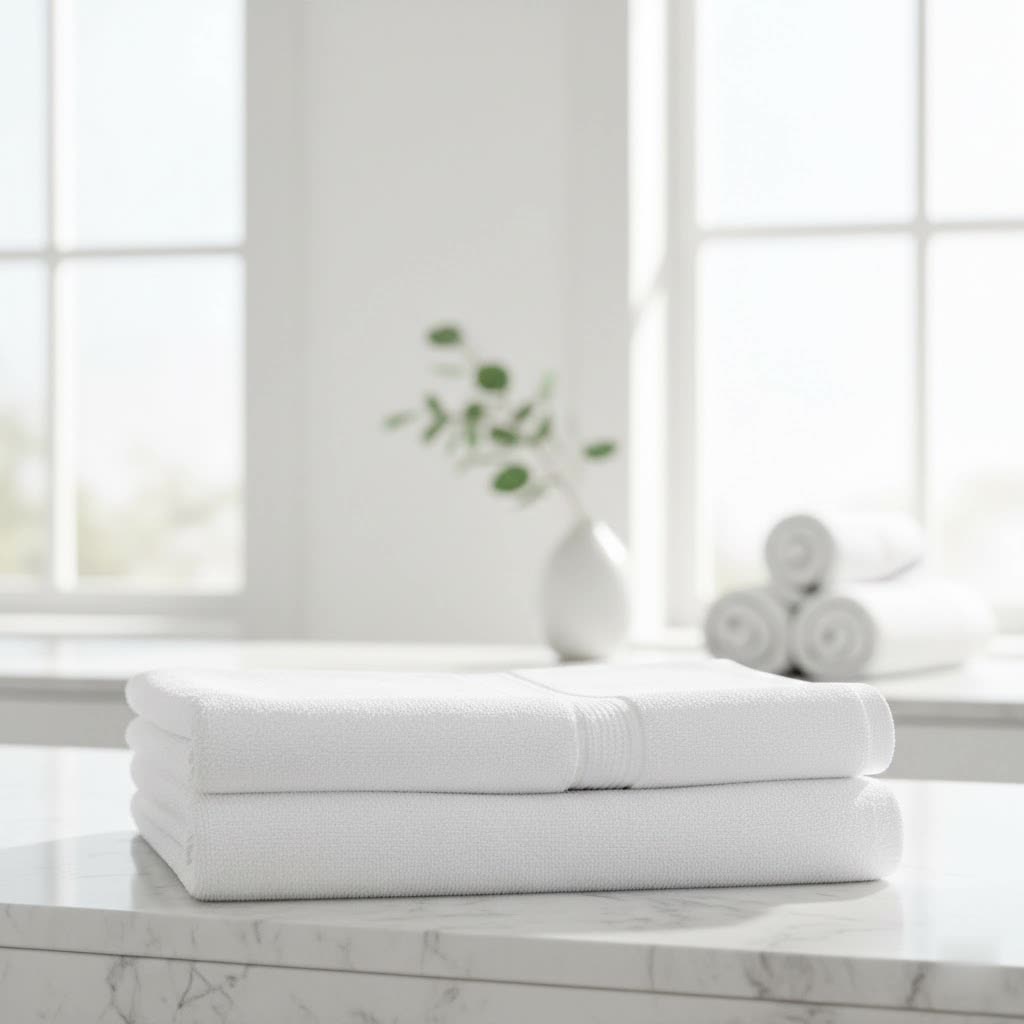
Stepping out of a refreshing shower or relaxing bath should always be a moment of pure comfort and safety. Yet, many of us overlook one small but mighty detail that can transform this daily ritual: the Hotel Bath Mat Towel. If you’ve ever wondered why the bath mats in hotels feel so plush, absorbent, and utterly dependable, you’re about to uncover the secrets to bringing that five-star experience right into your own home.
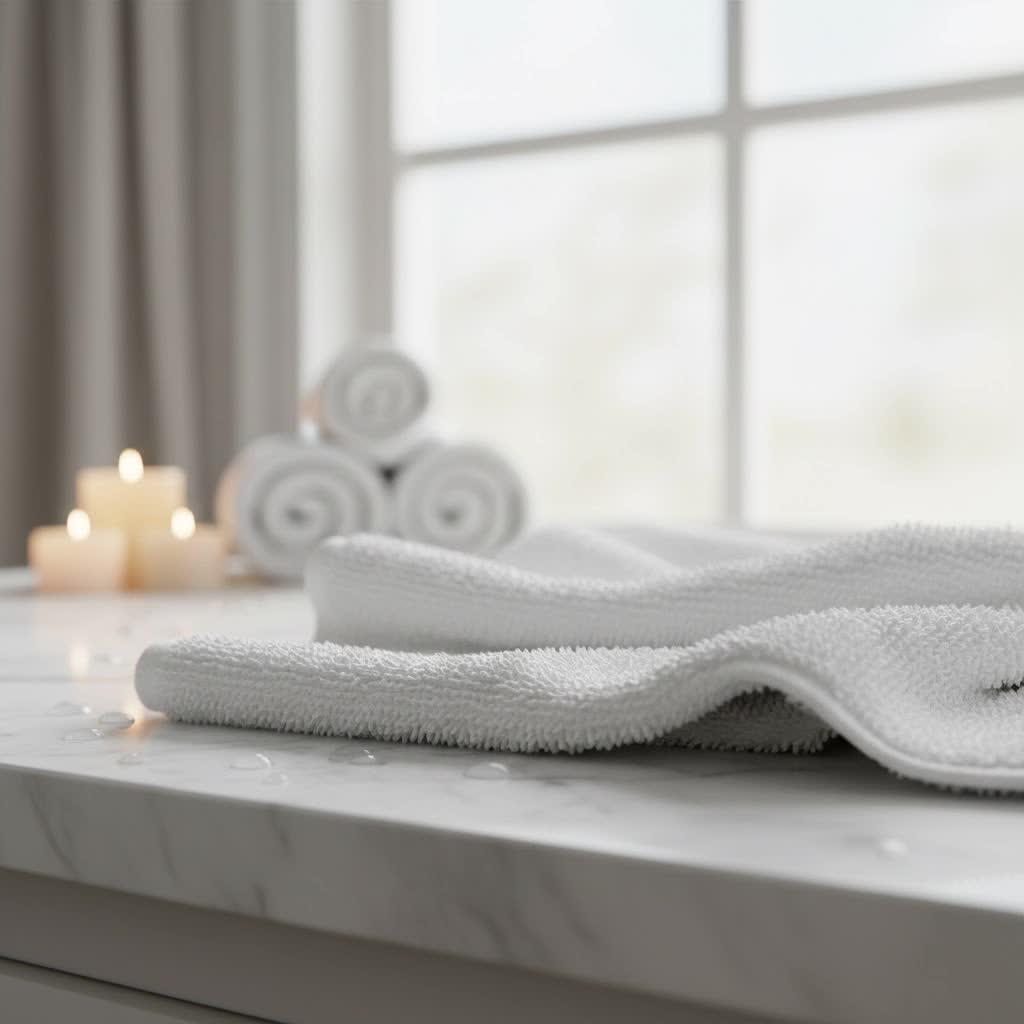
What is a Hotel Bath Mat Towel? Why You Need a Good One
A hotel bath mat towel is more than just a piece of fabric on the floor; it’s a dedicated absorbent layer designed for hygiene, safety, and comfort in your bathroom. Unlike a traditional bath rug, which often has a rubber backing and is more about decor, a bath mat towel is typically made entirely of towel-like material, thicker and more robust than a standard bath towel. Its primary purpose is to quickly absorb water as you step out of the shower or tub, preventing slippery floors and potential accidents.
The importance of a high-quality hotel bath mat towel extends beyond immediate safety. A good mat protects your bathroom floors from water damage, reduces the spread of moisture, and contributes significantly to the overall cleanliness and hygienic environment of your bathroom. Imagine the simple luxury of sinking your feet into a soft, dry surface instead of a cold, wet tile floor. This small upgrade profoundly impacts your daily comfort and overall bathroom experience, providing a touch of hotel-level pampering you deserve.
Exploring the Popular Types of Bath Mat Towels
The world of bath mat towels offers a variety of materials, each bringing unique characteristics to your bathroom experience. Understanding these differences can help you select the perfect mat to match your preferences and needs.
Materials Breakdown:
- Cotton: The most common and widely loved material for bath mat towels due to its natural softness and excellent absorbency.
- Upland Cotton: The most prevalent type, offering good softness and breathability.
- Combed Cotton: Specially treated to remove shorter fibers, resulting in a smoother, stronger, and softer yarn.
- Ring-Spun Cotton: Produces a soft, smooth, and durable fabric.
- Turkish Cotton: Renowned for its extra-long fibers, making it exceptionally smooth, lightweight, fluffy, highly absorbent, and quick-drying. It’s often associated with luxury hotel quality.
- Egyptian Cotton: Features extra-long staple fibers, offering a silky-smooth texture, superior absorbency, and resistance to pilling. It’s known for its strength and increasing softness with each wash.
- Pima Cotton: Another extra-long staple cotton, prized for its ultra-softness.
- Cotton-Polyester Blend: This blend combines the softness and absorbency of cotton with the added durability, less shrinkage, and faster drying times of polyester.
- Microfiber: Known for its exceptional absorbency and quick-drying properties, microfiber mats are lightweight and often very plush. They can feel less natural than cotton but are highly effective at managing moisture.
- Bamboo (Blends): Often blended with cotton, rayon from bamboo pulp offers a silky sheen and high absorbency, with natural antibacterial properties.
While the “hotel bath mat towel” specifically refers to a fabric-based, laundrable mat, it’s worth noting other options:
- Traditional Bath Mats: These often have a rubberized backing for enhanced grip, prioritizing slip prevention. They are usually thicker and less towel-like, and may not be as easily laundered as towel mats.
- Bath Rugs: Primarily decorative, bath rugs add aesthetic appeal, warmth, and style to the bathroom. While they offer some absorbency, it’s not their main function, and they come in various materials like cotton, wool, or synthetics.
|
Our Picks for the Best Bath Towel in 2026
We may earn a commission when you use one of our links to make a purchase.
|
||
| Num | Product | Action |
|---|---|---|
| 1 | Tens Towels Pack of 4 Extra Large Bath Towels 30 x 60 Inches, 100% Cotton, Larger & Lighter Weight, Quicker to Dry, Super Soft and Absorbent, Perfect for Bathroom, Dark Grey |

|
| 2 | Amazon Basics Soft and Thick Cotton Hand Towels, 16 x 26 in, White, 12-Pack |
|
| 3 | Tens Towels Pack of 4 Extra Large Bath Towels 30 x 60 Inches, 100% Cotton, Larger & Lighter Weight, Quicker to Dry, Super Soft and Absorbent, Perfect for Bathroom, Blue |
|
| 4 | Amazon Basics 6 Piece Oversized Fade resistant Towel set, 100% Cotton towels for bathroom, soft and absorbent, 2 Bath Towels, 2 Hand Towels and 2 Washcloths bathroom towel set, Navy Blue |
|
| 5 | Tens Towels Pack of 4 Extra Large Bath Towels 30 x 60 Inches, 100% Cotton, Larger & Lighter Weight, Quicker to Dry, Super Soft and Absorbent, Perfect for Bathroom, Brown |
|
| 6 | Tens Towels Pack of 4 Extra Large Bath Towels 30 x 60 Inches, 100% Cotton, Larger & Lighter Weight, Quicker to Dry, Super Soft and Absorbent, Perfect for Bathroom, Burgundy |
|
| 7 | Tens Towels Pack of 4 Extra Large Bath Towels 30 x 60 Inches, 100% Cotton, Larger & Lighter Weight, Quicker to Dry, Super Soft and Absorbent, Perfect for Bathroom, Black |
|
| 8 | Amazon Basics 6 Pack Bath Towel Set, 54 x 27 inches, 600 GSM 100% Ring Spun Cotton, Lightweight and Highly Absorbent Quick Drying Premium Towels for Hotel, Spa and Bathroom, White |
|
| 9 | Amazon basics 2 piece Lightweight quick-dry bath towel, 100% cotton, Platinum, 54" x 30" |
|
| 10 | Tens Towels Pack of 4 Extra Large Bath Towels 30 x 60 Inches, 100% Cotton, Larger & Lighter Weight, Quicker to Dry, Super Soft and Absorbent, Perfect for Bathroom, Beige |
|
For the quintessential hotel experience, the soft, absorbent, and easily washable towel-style bath mat is the go-to choice.
Detailed Comparison of Popular Bath Mat Towel Materials
To help you navigate your choices, here’s a detailed comparison of the most common materials found in hotel-quality bath mat towels:
| Material | Advantages | Disadvantages | Best Suited For |
|---|---|---|---|
| Cotton (General) | Soft, good absorbency, breathable, affordable | Can be slower to dry than blends, may lint over time | Everyday use, budget-conscious buyers |
| Turkish Cotton | Exceptionally soft, highly absorbent, quick-drying, durable | Generally higher price point | Luxury experience, frequent use, humid environments |
| Microfiber | Super absorbent, very quick-drying, lightweight, plush | May feel less natural than cotton, synthetic feel | Travel, sports, quick-drying needs, allergy sufferers |
| Cotton-Poly Blend | Durable, less shrinkage, faster drying, good absorbency | Not as soft or luxurious as 100% premium cotton | High-traffic areas, commercial settings, longevity |
Your Expert Guide to Choosing a Hotel Bath Mat Towel
Selecting the perfect hotel bath mat towel involves considering several factors that contribute to both its performance and longevity. Approach this choice like a seasoned expert to ensure you pick a mat that truly enhances your bathroom.
1. Identify Your Needs:
- Purpose: Is it for daily home use, a guest bathroom, or a high-traffic area?
- Preferences: Do you prioritize supreme softness, rapid drying, ultimate durability, or a balance of all?
- Budget: High-end materials like Turkish or Egyptian cotton often come with a higher price tag.
2. Evaluate Quality Like a Pro:
- Weight (GSM – Grams per Square Meter): This is a critical indicator of plushness, absorbency, and durability.
- 300-400 GSM: Lighter, faster drying, suitable for quick-use areas.
- 400-600 GSM: Medium weight, offering a good balance of softness and absorbency, ideal for most hotels.
- 600-900 GSM: Heavy, dense, and luxurious, providing a spa-like feel with superior absorbency. For that true hotel indulgence, aim for this range.
- Material Composition: As discussed, 100% cotton, especially Turkish or Egyptian, is a hallmark of luxury and performance. Combed or ring-spun cotton also indicates good quality.
- Softness and Texture: While online shopping limits tactile assessment, look for descriptions like “plush,” “luxurious,” and “soft underfoot.” The feel of a towel-style bath mat should be inviting and comfortable.
- Construction and Durability: Inspect the stitching. High-quality bath mat towels will have strong, reinforced hems and double-stitching to prevent fraying, crucial for enduring frequent washing.
- Absorbency Test (Post-Purchase): A simple test is to place a few drops of water on the mat. A good mat will absorb the water almost instantly without letting it spread or sit on the surface.
- Safety Certifications: Look for certifications like OEKO-TEX Standard 100, which ensures the product is free from harmful chemicals and safe for human use. This is particularly important for items that come into direct contact with your skin.
3. Consider Color and Style:
- Hotel Aesthetic: For a classic hotel look, white is the undisputed choice. It conveys cleanliness, freshness, and can be easily bleached to maintain its pristine appearance.
- Home Decor: While white is versatile, don’t shy away from colors that complement your bathroom decor. Keep in mind that darker colors may show lint more, and bright colors might fade over time with harsh detergents.
- Border Styles: Some bath mat towels feature different border styles, such as a simple cam border or a more decorative dobby border, adding a subtle design element.
Essential Tips for Maintaining Soft and Durable Bath Mat Towels
Just like any quality textile, your hotel bath mat towels need proper care to retain their softness, absorbency, and longevity. Consistent, correct maintenance ensures they continue to deliver that luxurious hotel feel for years.
Washing Your Bath Mat Towels Correctly:
- Separate Whites and Colors: Always wash white bath mat towels separately from colored items to prevent dye transfer.
- Use the Right Temperature: Hot water (around 140°F/60°C) is ideal for white cotton towels to sanitize and maintain brightness. For colored towels or delicate blends, follow the care label, often warm or cold water.
- Detergent: Use a good quality detergent. Avoid excessive use, as residue can stiffen fibers. For white towels, a small amount of bleach can help maintain their pristine look, but use it sparingly to avoid weakening fibers over time.
- Avoid Fabric Softeners: While tempting, fabric softeners can build up on towel fibers, reducing their absorbency. Instead, a cup of white vinegar added to the rinse cycle can naturally soften towels and remove detergent residue.
- Gentle Cycle: Wash on a gentle or delicate cycle to protect the fibers and stitching.
Drying and Storage:
- Tumble Dry Low: High heat can damage towel fibers. Tumble dry on a low to medium setting. The quick-drying nature of many hotel-quality cottons and microfibers means they won’t need excessive heat.
- Avoid Over-Drying: Remove towels when they are just dry, as over-drying can make them stiff and brittle.
- Shake Out: Give your bath mat towels a good shake after washing and before drying to fluff the fibers and improve drying efficiency.
- Air Circulation: If air-drying, ensure good air circulation to prevent mildew. Avoid direct sunlight for prolonged periods, especially for colored mats, as it can cause fading.
- Proper Storage: Fold your clean, dry bath mat towels neatly and store them in a dry, well-ventilated cabinet or on a shelf.
When to Replace Your Bath Mat Towels:
Even the highest quality bath mat towels won’t last forever. Look for signs of wear and tear, such as thinning patches, significant fraying, reduced absorbency, or a consistently rough texture that no longer responds to proper washing. Typically, a well-cared-for bath mat towel can last for several years, but for commercial settings or very frequent home use, replacement every 1-2 years might be necessary to maintain optimal hygiene and comfort.
“A quality bath mat towel isn’t just a bathroom accessory; it’s an investment in your daily comfort and a commitment to maintaining a safe, hygienic, and luxurious personal space.”
Conclusion
The humble bath mat towel, often overlooked, plays a pivotal role in transforming your bathroom into a sanctuary of comfort and safety. From the unparalleled absorbency of Turkish cotton to the rapid-drying capabilities of microfiber, understanding the nuances of these essential items empowers you to make an informed choice. By prioritizing quality materials, thoughtful construction, and proper care, you can effortlessly replicate the plush, secure feeling of a five-star hotel right in your own home. Isn’t it time you upgraded your everyday ritual?
Frequently Asked Questions
Which bath mat towel is best for sensitive skin?
For sensitive skin, 100% cotton bath mat towels, particularly those made from Egyptian or Turkish cotton, are often recommended due to their natural softness and breathability. Looking for OEKO-TEX certified options can also ensure the towel is free from harmful chemicals, further safeguarding sensitive skin.
What is the difference between a bath mat and a hotel bath mat towel?
A traditional bath mat often has a rubber or non-slip backing and is designed primarily for floor safety, while a hotel bath mat towel is typically a thicker, absorbent, towel-like fabric designed for easy laundering and superior water absorption, offering both safety and plush comfort.
How often should I wash my hotel bath mat towel?
For optimal hygiene, especially in high-traffic bathrooms, it’s recommended to wash your hotel bath mat towel every 2-3 days, or at least twice a week. In hotels, they are changed and laundered after every guest’s stay.
Can I use a regular bath towel as a bath mat?
While a regular bath towel can absorb water, it is generally thinner and less durable than a dedicated bath mat towel. Using a regular bath towel on the floor may not provide the same level of absorbency, plushness, or stability, and it may wear out more quickly due to direct floor contact.