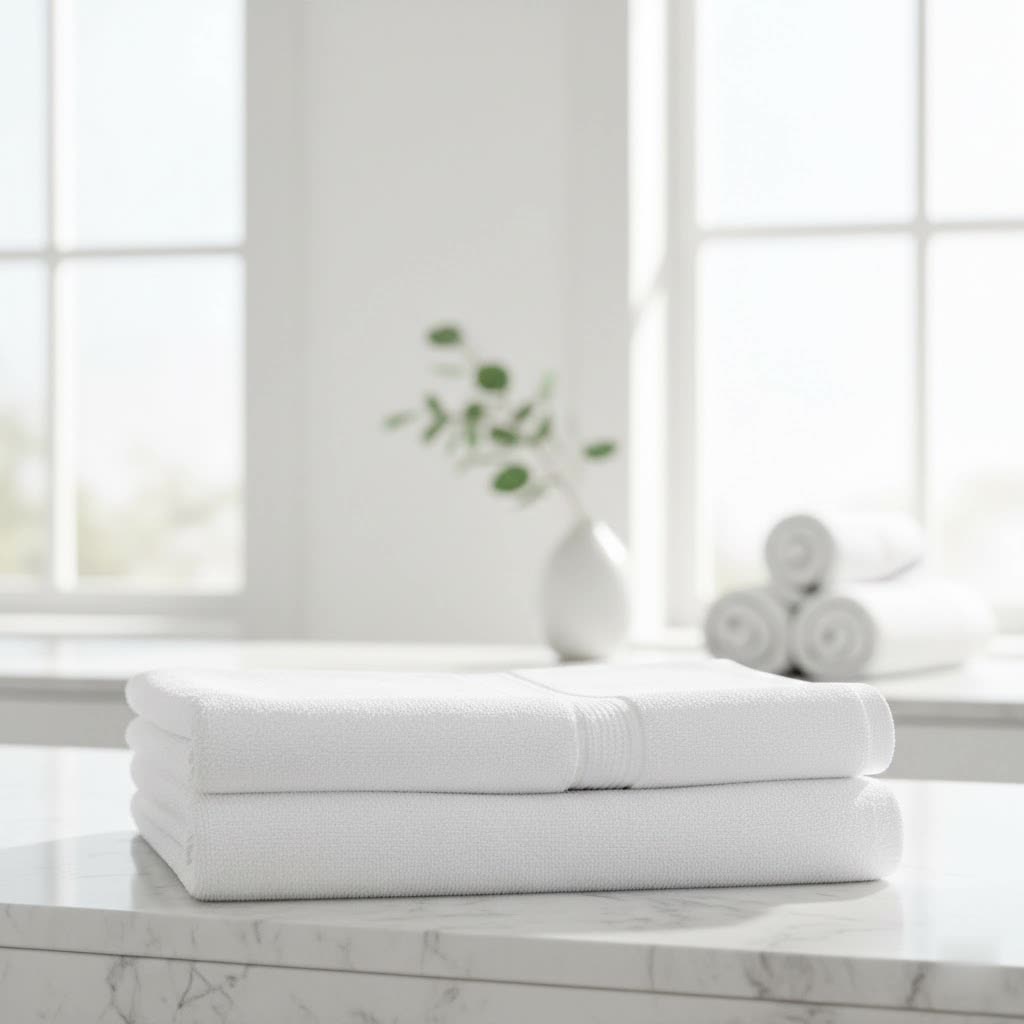
Stepping out of a warm shower and into the embrace of a soft, luxurious bath towel is one of life’s simple pleasures. For women, a bath towel isn’t just a utilitarian item; it’s an extension of a self-care ritual, a touch of comfort that can transform an ordinary bathroom into a personal spa. But with countless options available, how do you choose the perfect bath towel that truly understands your needs, from delicate skin to quick-drying hair? This comprehensive guide will navigate the world of bath towels, helping you select a companion that offers the ideal blend of absorbency, softness, and durability, elevating your daily routine.
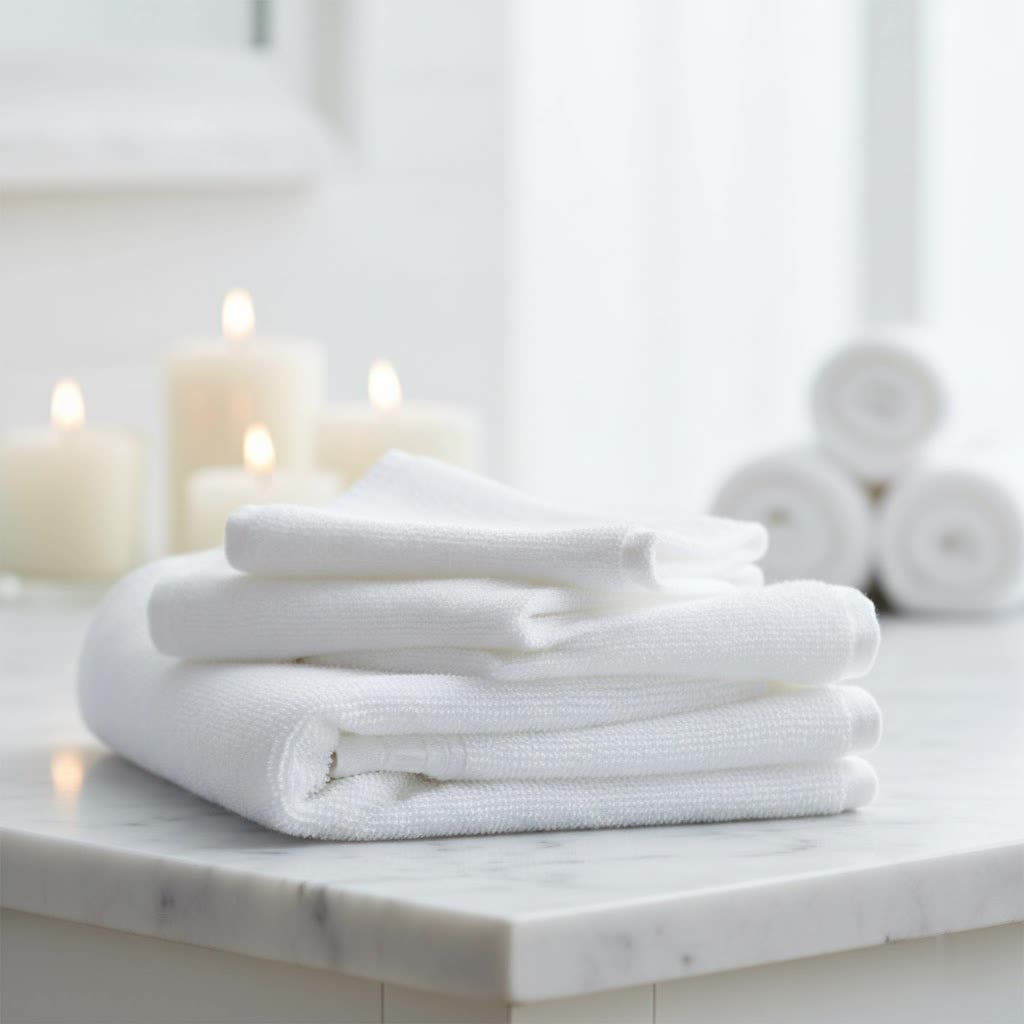
What is a Bath Towel? Why Do You Need a Good One?
At its core, a bath towel is designed to dry the body after washing. Yet, its role extends far beyond simple functionality. A high-quality bath towel plays a crucial part in maintaining skin health, providing a gentle touch that prevents irritation, especially for sensitive complexions. Beyond the practical aspects, a superior towel contributes significantly to the overall bathroom experience, wrapping you in comfort and transforming a mundane task into a moment of pure indulgence. It’s an everyday luxury that directly impacts your well-being and sense of pampering.
Common Types of Bath Towels on the Market
The diversity in bath towels primarily stems from their materials, each offering a unique set of characteristics. Understanding these differences is key to making an informed choice that aligns with your personal preferences and priorities.
By Material:
- Cotton: The most popular choice, cotton towels are celebrated for their natural softness and excellent absorbency.
- Egyptian Cotton: Known for its extra-long, fine fibers, Egyptian cotton creates exceptionally plush and luxurious towels with superior absorbency. These towels offer a dense, soft feel, making them a top choice for a high-end experience.
- Turkish Cotton: Distinguished by its long, lightweight fibers, Turkish cotton towels are soft and highly absorbent, yet they boast a quicker drying time compared to their Egyptian counterparts. This makes them ideal for humid environments or those who prioritize fast drying.
- Pima Cotton: Similar to Egyptian cotton, Pima cotton features long, strong fibers that result in incredibly soft, durable, and absorbent towels.
- Combed Cotton: This refers to regular cotton that has undergone a combing process to remove shorter fibers, leaving behind only the longest and strongest. The result is a smoother, softer, and more durable towel that resists pilling.
- Organic Cotton: Grown without harmful chemicals, pesticides, or synthetic fertilizers, organic cotton is an excellent choice for women with sensitive skin or those seeking eco-friendly options. They are soft, absorbent, and free from potential irritants.
- Bamboo: Often blended with cotton, bamboo fibers create incredibly soft, silky, and naturally hypoallergenic towels. Bamboo also possesses inherent antimicrobial properties, making it a hygienic choice. These towels are highly absorbent and environmentally friendly.
- Microfiber: Made from synthetic fibers like polyester and polyamide, microfiber towels are renowned for their ultra-high absorbency and exceptionally fast-drying capabilities. They are lightweight and often used for travel, sports, or hair drying due to their efficiency, though some may find their texture less natural than cotton.
- Linen: While less common for plush bath towels, linen offers exceptional durability, breathability, and quick-drying properties. Linen towels tend to be firmer and more textured than cotton, appealing to those who prefer a more minimalist aesthetic and a towel that improves in softness with each wash.
- Modal: A type of rayon made from beechwood pulp, modal is often blended with cotton to enhance softness and absorbency. However, individuals with very sensitive skin may find modal towels more likely to cause irritation compared to pure cotton options.
By Size and Purpose:
Choosing the right size is crucial for comfort and functionality.
- Washcloths: Small (around 12×12 inches), perfect for cleansing the face and body.
- Hand Towels: Medium-sized (typically 16×30 inches), ideal for drying hands or as decorative accents.
- Standard Bath Towels: The most common size (around 27×52 inches), suitable for everyday body drying after a shower or bath.
- Bath Sheets: Larger than standard bath towels (often 35×60 inches or more), bath sheets offer extra coverage and a more luxurious, enveloping feel, perfect for women who appreciate ample wrap-around comfort.
- Hair Towels: Often smaller and designed to wrap around the hair, many are made from microfiber or lightweight cotton for quick, gentle drying to reduce frizz.
- Specialty Towels: This category includes sport towels (often quick-dry microfiber), baby towels (extra soft and often hooded), and beach towels (larger, thinner, vibrant designs).
Detailed Comparison Table of Bath Towel Types
| Material | Pros | Cons | Best For |
|---|---|---|---|
| Cotton | Soft, highly absorbent, widely available | Can be slow to dry (high GSM), may shed lint | Everyday use, luxury, sensitive skin |
| Bamboo | Eco-friendly, naturally antibacterial, very soft | Higher cost, can be less structured | Sensitive skin, eco-conscious buyers |
| Microfiber | Ultra-absorbent, very quick-drying, lightweight | Less natural feel, can lack plushness | Travel, gym, quick-drying hair |
| Linen | Durable, breathable, dries quickly | Can feel rougher initially, less plush than cotton | Minimalist homes, warmer climates, textured feel |
Bath Towel Buying Guide: Choose Like an Expert
Selecting the perfect bath towel involves more than just picking a pretty color. As an expert, I consider several factors to ensure a towel meets both aesthetic desires and practical needs.
Identify Your Usage Needs
|
Our Picks for the Best Bath Towel in 2026
We may earn a commission when you use one of our links to make a purchase.
|
||
| Num | Product | Action |
|---|---|---|
| 1 | Tens Towels Pack of 4 Extra Large Bath Towels 30 x 60 Inches, 100% Cotton, Larger & Lighter Weight, Quicker to Dry, Super Soft and Absorbent, Perfect for Bathroom, Dark Grey |

|
| 2 | Tens Towels Pack of 4 Extra Large Bath Towels 30 x 60 Inches, 100% Cotton, Larger & Lighter Weight, Quicker to Dry, Super Soft and Absorbent, Perfect for Bathroom, Blue |
|
| 3 | Amazon basics 2 piece Lightweight quick-dry bath towel, 100% cotton, Platinum, 54" x 30" |
|
| 4 | Tens Towels Pack of 4 Extra Large Bath Towels 30 x 60 Inches, 100% Cotton, Larger & Lighter Weight, Quicker to Dry, Super Soft and Absorbent, Perfect for Bathroom, Beige |
|
| 5 | Tens Towels Pack of 4 Extra Large Bath Towels 30 x 60 Inches, 100% Cotton, Larger & Lighter Weight, Quicker to Dry, Super Soft and Absorbent, Perfect for Bathroom, Black |
|
| 6 | Tens Towels Pack of 4 Extra Large Bath Towels 30 x 60 Inches, 100% Cotton, Larger & Lighter Weight, Quicker to Dry, Super Soft and Absorbent, Perfect for Bathroom, Brown |
|
| 7 | Amazon Basics Soft and Thick Cotton Hand Towels, 16 x 26 in, White, 12-Pack |
|
| 8 | Amazon Basics 6 Piece Oversized Fade resistant Towel set, 100% Cotton towels for bathroom, soft and absorbent, 2 Bath Towels, 2 Hand Towels and 2 Washcloths bathroom towel set, Navy Blue |
|
| 9 | Amazon Basics 6 Pack Bath Towel Set, 54 x 27 inches, 600 GSM 100% Ring Spun Cotton, Lightweight and Highly Absorbent Quick Drying Premium Towels for Hotel, Spa and Bathroom, White |
|
| 10 | Tens Towels Pack of 4 Extra Large Bath Towels 30 x 60 Inches, 100% Cotton, Larger & Lighter Weight, Quicker to Dry, Super Soft and Absorbent, Perfect for Bathroom, Burgundy |
|
Start by considering how and where the towel will be used. Do you need a plush, spa-like towel for daily indulgence, or a quick-drying option for the gym or travel? Are you furnishing a busy family bathroom where durability is paramount, or a luxurious master bath where softness is key? Thinking about these scenarios helps narrow down material and weight choices. Your budget is also a practical consideration; while investing in quality often pays off in longevity, there are excellent options across various price points.
Check Quality Indicators
- Thickness and Weight (GSM): Grams per Square Meter (GSM) indicates a towel’s density.
- 300-400 GSM: Lightweight and quick-drying, ideal for gyms, travel, or warmer climates.
- 400-600 GSM: Medium weight, offering a good balance of absorbency and reasonable drying time, perfect for daily use.
- 600-900 GSM: Luxuriously thick, highly absorbent, and exceptionally plush, providing a spa-like feel. However, these towels take longer to dry.
Generally, a higher GSM suggests a more substantial and potentially softer towel.
- Softness: The most direct way to assess softness is by touch. Look for towels with tightly woven, even loops. Long-staple cottons like Egyptian and Turkish cotton, especially those with a zero-twist construction, are renowned for their superior softness.
- Absorbency: While softness is appealing, a towel’s primary job is to absorb water efficiently. A simple test involves placing a few drops of water on the towel; a good quality towel will absorb the water almost instantly rather than letting it bead up.
- Durability and Stitching: Inspect the hems and edges. Double-stitched seams indicate a well-made towel that is less likely to fray and will withstand repeated washing, offering greater longevity.
- Certifications: For those with sensitive skin or environmental concerns, look for certifications like Oeko-Tex Standard 100. This certification ensures the towel is free from harmful substances, dyes, and chemicals, providing peace of mind for you and your family.
Choosing Color and Style
While functionality is key, the aesthetic appeal of your bath towels can significantly enhance your bathroom decor. Consider colors that complement your existing palette or introduce a new accent. Simple, classic designs often offer versatility, while waffle weaves or ribbed textures can add visual interest.
Top Bath Towels for Women Today
When it comes to selecting the perfect bath towel, women often prioritize a combination of softness, absorbency, and a touch of luxury. Here are a few types that consistently earn high marks:
- The Plush Indulgence: For the woman who craves a truly pampering experience, a high-GSM (600-800) Turkish or Egyptian cotton towel is unmatched. These towels are exceptionally thick, soft, and highly absorbent, enveloping you in comfort akin to a luxury spa. They excel in providing a rich, opulent feel after every bath or shower.
- The Quick-Dry Essential: For active women or those in humid environments, towels made from hydrocotton or a lighter-weight cotton blend (400-500 GSM) are game-changers. Hydrocotton features specially spun fibers that create a plush feel while drying significantly faster than traditional cotton, offering both comfort and efficiency. Microfiber towels also fall into this category, being excellent for travel or post-gym drying.
- The Eco-Chic Choice: For environmentally conscious women or those with sensitive skin, organic cotton or bamboo blend towels are a stellar option. These towels combine natural softness with hypoallergenic and often antimicrobial properties, ensuring a gentle touch while upholding sustainable practices. They provide peace of mind along with luxurious comfort.
> “A good bath towel isn’t just a personal item; it’s a daily companion that cares for your skin and elevates your entire well-being.” – Mia Nguyen, Founder of ReviewsByMia.com
Tips for Keeping Your Bath Towels Soft and Durable
Even the finest bath towel requires proper care to maintain its softness, absorbency, and longevity.
- Wash Before First Use: Always wash new bath towels before their first use. This helps remove any manufacturing finishes, enhancing their absorbency and fluffiness right from the start.
- Wash Correctly: Use a mild detergent and wash towels in cold or warm water. Overloading the washing machine can prevent thorough rinsing, leaving detergent residue that stiffens fibers. Separate towels by color to prevent bleeding.
- Avoid Fabric Softener: While it seems counterintuitive, fabric softeners can coat towel fibers, reducing their absorbency over time. For natural softness, a half-cup of white vinegar occasionally added to the wash cycle can help remove residue and restore fluffiness.
- Dry with Care: Tumble dry on low to medium heat. Over-drying at high temperatures can damage fibers, making towels stiff and less durable. For best results, consider air-drying or removing towels from the dryer while slightly damp and allowing them to finish air-drying. This helps prevent static and keeps them soft.
- Store Properly: Fold towels neatly and store them in a dry, cool, well-ventilated area. Avoid damp storage to prevent mildew and unpleasant odors.
- Deodorize Occasionally: If your towels develop a musty smell, wash them with a cup of white vinegar (no detergent) on a hot cycle, then follow with a second hot cycle using half a cup of baking soda. This natural method helps eliminate odors.
- Know When to Replace: Even with the best care, towels don’t last forever. If your bath towels are thinning, losing absorbency, or show signs of fraying or persistent odors, it’s time to replace them. Typically, high-quality towels last 2-5 years.
Conclusion
Choosing the ideal Bath Towel For Women involves a thoughtful consideration of material, weight, size, and personal preferences. From the opulent embrace of a high-GSM Egyptian cotton bath sheet to the practical efficiency of a quick-dry hydrocotton towel, the perfect option is out there, ready to transform your daily routine into a moment of luxurious self-care. By focusing on quality indicators like GSM, Oeko-Tex certifications, and robust stitching, and by adhering to simple care guidelines, you can ensure your bath towels remain soft, absorbent, and a source of comfort for years to come. What qualities are you looking for in your next bath towel to elevate your everyday?
Frequently Asked Questions
Which bath towel is best for sensitive skin?
For sensitive skin, organic cotton or bamboo blend towels are highly recommended due to their natural, chemical-free properties. Look for towels with Oeko-Tex Standard 100 certification, ensuring they are free from harmful substances. Egyptian and Turkish cotton are also excellent choices as their long fibers require less chemical processing for softness and absorbency.
How often should I replace my bath towels?
High-quality bath towels typically last between two to five years with proper care. Signs that it’s time to replace them include thinning fabric, a noticeable reduction in absorbency, persistent odors even after washing, or frayed edges and hems.
What does GSM mean for bath towels?
GSM stands for “Grams per Square Meter” and is a key indicator of a towel’s density, weight, and overall plushness. Higher GSM numbers (e.g., 600-900) signify thicker, more luxurious, and highly absorbent towels, while lower GSM numbers (e.g., 300-400) indicate lighter, quicker-drying towels.
Are bath sheets worth it for women?
Many women find bath sheets to be well worth the investment. Their larger size offers greater coverage, allowing for a more complete and comfortable wrap after showering or bathing. This provides a feeling of added luxury and warmth, often preferred for a spa-like experience at home.