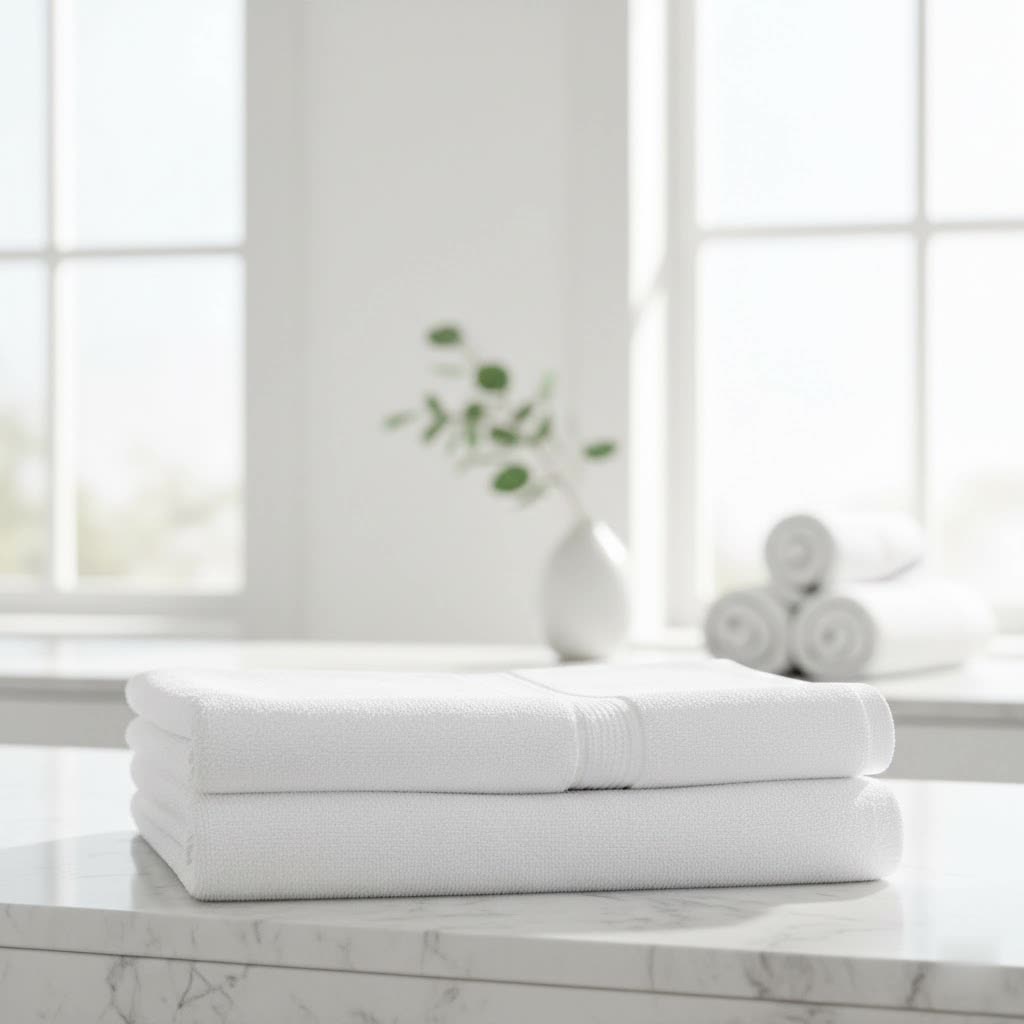
Stepping out of a warm shower into a fresh, fluffy towel is one of life’s simple pleasures, a small luxury that transforms a mundane routine into a spa-like experience. But how often do we truly consider the quality of our bath towels or the utility of our bathroom furnishings? As the Admin of ReviewsByMia.com, with a decade dedicated to testing and researching everything from luxurious Egyptian cotton to eco-friendly bamboo, I understand the profound impact these everyday items have on our skin, comfort, and bathroom aesthetics. This guide will walk you through choosing the perfect bath towel and how a well-selected bathroom bench can enhance both functionality and style in your personal sanctuary.
What is a Bath Towel? Why a Good One Matters?
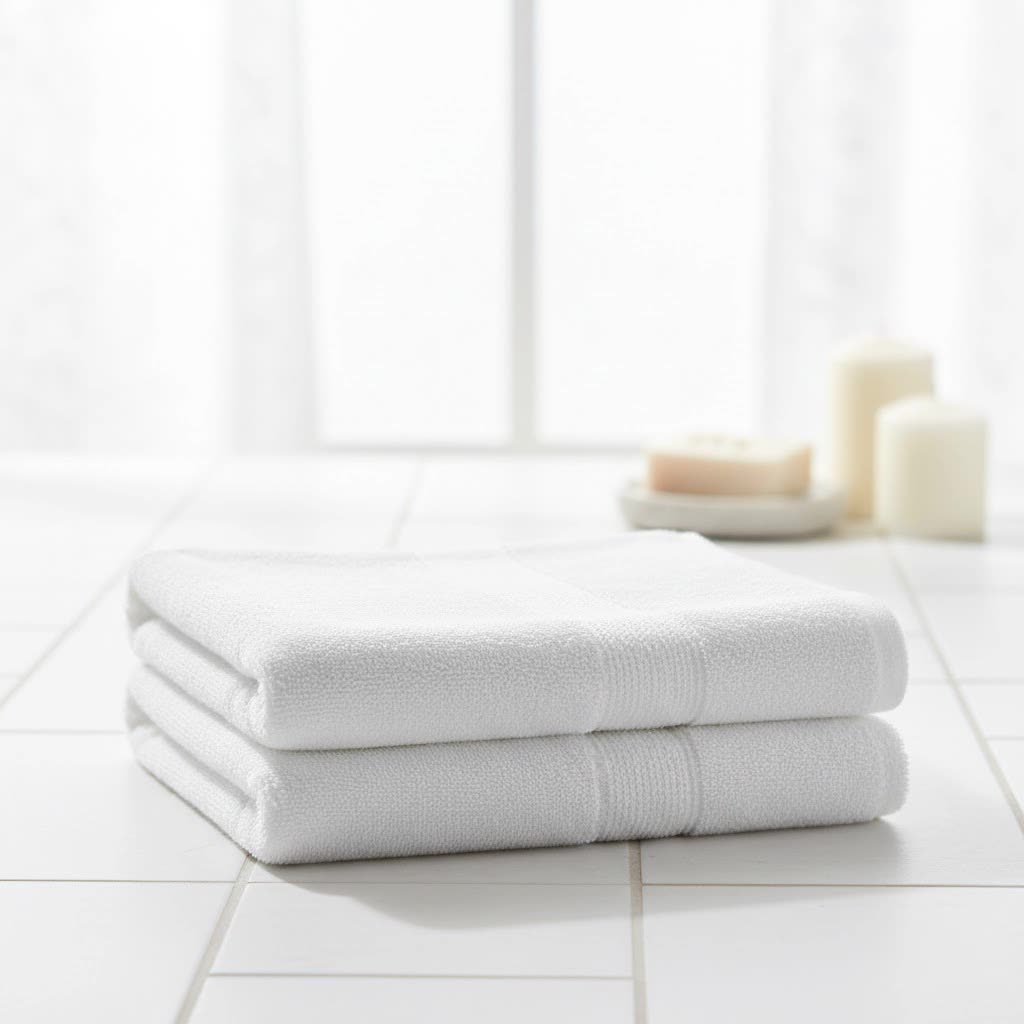
A bath towel is more than just a piece of fabric for drying; it’s an essential personal care item that comes into direct contact with your skin daily. Its primary role is absorbency, quickly wicking away moisture to leave your skin feeling fresh and clean. The significance of a quality bath towel extends beyond mere functionality, influencing your skin’s health, comfort, and overall bathing experience.
Investing in high-quality bath towels is crucial because they offer superior absorbency, exceptional softness, and enhanced durability. Poor-quality towels can be abrasive, scratchy, and may not effectively dry your skin, potentially leading to irritation or a lingering damp feeling. A good towel, however, feels plush and gentle, preventing skin chafing while efficiently absorbing water, making your post-shower routine a moment of genuine comfort and care.
Popular Bath Towel Types On the Market
The world of bath towels offers a diverse range of options, each with unique characteristics stemming from its material and weave. Understanding these differences is key to selecting the perfect towel for your needs and preferences.
When it comes to materials, cotton reigns supreme, primarily due to its natural absorbency and softness. Within the cotton family, Egyptian cotton and Turkish cotton are highly prized. Egyptian cotton is known for its extra-long, fine fibers that create incredibly soft, durable, and absorbent towels, often associated with luxurious, spa-like experiences. Turkish cotton, with its long-staple fibers, offers a balance of softness and quick-drying properties, making it an excellent choice for those who appreciate both plushness and efficiency. Supima cotton, a premium American-grown long-staple cotton, also delivers superior strength, softness, and color retention.
Beyond traditional cotton, other materials like bamboo and microfiber have gained popularity. Bamboo towels are celebrated for their natural antibacterial properties, eco-friendliness, and remarkable softness, often feeling silkier than cotton. However, some bamboo blends might contain modal fibers, which can be less ideal for very sensitive skin or long-term durability if not properly cared for. Microfiber towels, typically made from synthetic blends of polyester and polyamide, are exceptionally lightweight, super-absorbent, and quick-drying, making them ideal for travel, sports, or situations where rapid drying is a priority.
In terms of weave, terry cloth is the most common, characterized by its looped pile construction that maximizes surface area for absorbency and a fluffy texture. For a different feel, waffle weave towels feature a distinct honeycomb-like texture. These towels are generally lighter, more breathable, and quicker to dry than terry, and they occupy less storage space, appealing to those who prefer a less bulky option.
Detailed Comparison Table: Choosing Your Perfect Towel
| Material | Key Advantages | Potential Disadvantages | Best Suited For |
|---|---|---|---|
| Cotton | Soft, highly absorbent, widely available, versatile | Can be heavy, may take longer to dry than synthetics | Everyday use, general comfort |
| Egyptian Cotton | Ultra-soft, highly absorbent, luxurious, durable | Higher price point, can be slow to dry | Luxury experience, humid climates (with good ventilation) |
| Turkish Cotton | Soft, absorbent, excellent balance of quick-drying and plushness | May not be as thick as Egyptian cotton | Everyday luxury, quick-dry preference |
| Bamboo/Viscose | Exceptionally soft, naturally antibacterial, eco-friendly | Can be more delicate, prone to shedding initially | Sensitive skin, eco-conscious buyers |
| Microfiber | Super absorbent, extremely quick-drying, lightweight | Less natural feel, may feel less luxurious than cotton | Travel, sports, quick-drying needs |
| Linen | Durable, highly absorbent, breathable, dries quickly, softens with use | Can feel coarser initially, may wrinkle more easily | Minimalist aesthetic, quick drying, longevity |
Buying Guide for Bath Towels: Choose Like an Expert
Selecting the ideal bath towel involves more than just picking a color; it’s about understanding your needs and the towel’s specifications to ensure long-lasting satisfaction.
First, identify your usage needs. Are you looking for a plush, spa-like experience for daily indulgence, a quick-drying option for a busy family, or a lightweight towel for the gym or travel? Your lifestyle will dictate the best material and weight. For instance, if you live in a humid environment, a lower GSM (grams per square meter) quick-dry towel might be more practical, while a high GSM towel offers ultimate plushness for drier climates. Consider your budget, as premium materials like Egyptian or Supima cotton often come with a higher price tag but offer superior durability.
Next, evaluate the quality of the bath towel. The GSM (grams per square meter) indicates a towel’s density; a higher GSM (600-900) generally means a thicker, plusher, and more absorbent towel, while a lower GSM (300-400) suggests a lighter, faster-drying option. Feel the towel for softness and ensure the loops are dense and uniform. Check the stitching along the edges; strong, tightly sewn seams indicate better durability. A simple absorbency test involves placing a few drops of water on the towel; a good towel should quickly soak up the moisture rather than letting it sit on the surface. Look for certifications like Oeko-Tex Standard 100, which guarantees the towel is free from harmful substances, ensuring it’s safe for your skin and the environment.
Finally, choose colors and styles that complement your bathroom decor and personal taste. While personal preference guides this choice, opting for neutral or coordinating colors can create a cohesive look and simplify laundry sorting.
Top Bath Towels Loved by Reviewers Today
Based on extensive testing and user feedback, several bath towels consistently stand out for their exceptional quality, absorbency, and durability.
- Pottery Barn Hydrocotton Organic Quick-Dry Towel: Often lauded as an “overall best” and “softest” option, this towel offers cloud-like softness and impressive absorbency despite its medium weight (550 GSM). Reviewers frequently highlight its durability, maintaining softness even after years of washing.
- Lands’ End Supima Cotton Bath Towel: This towel is a top performer for its exceptional durability and plush, soft texture. Crafted from 650 GSM Supima cotton, it’s highly absorbent and available in a wide array of colors, though it tends to take longer to dry due to its density.
- Brooklinen Super-Plush Turkish Cotton Bath Towels: For those who crave ultimate luxury and thickness, these 820 GSM towels are a favorite. Made from long-staple Turkish cotton, they offer a sumptuously fluffy feel and excellent absorbency, making every bath feel like a spa visit.
- Frontgate Resort Collection Bath Towel: Scoring high for its hotel-worthy plushness and steadfast absorbency (700 GSM), this Turkish cotton towel maintains its quality and softness even after numerous washes, embodying luxurious comfort.
- Amazon Basics Quick-Dry Bath Towels: An excellent “value” option, these 100% cotton towels (400-500 GSM) are praised for their quick-drying capabilities and affordability. While not as plush as luxury options, they are durable and perform well for everyday use.
- Onsen Supima Waffle Bath Towel: If you prefer a lighter, quicker-drying towel, the Onsen Waffle towel (470 GSM) made from extra-long-staple Supima cotton is highly recommended. Its waffle weave is aesthetically pleasing, breathable, and space-saving, ideal for humid environments.
These towels consistently receive high marks for striking the right balance between absorbency, softness, drying speed, and long-term durability, ensuring they remain a joy to use day after day.
Elevating Your Bathroom Experience: The Role of a Quality Bathroom Bench
Beyond the towel itself, thoughtful bathroom furnishings can significantly enhance your daily routine. A quality bathroom bench, often overlooked, offers both practical utility and a touch of sophistication to your space.
A bathroom bench serves multiple purposes. Functionally, it provides a convenient seating area for tasks like drying off, putting on lotion, or even shaving legs in the shower. For individuals with mobility challenges, a shower bench enhances safety and comfort during bathing. Many benches also incorporate clever storage solutions, featuring shelves or compartments to keep fresh towels, toiletries, or slippers neatly organized and easily accessible. This not only declutters your bathroom but also creates a more organized and serene environment.
Aesthetically, a well-chosen bench can elevate the entire bathroom decor, adding a spa-like ambiance or a touch of natural warmth depending on its material and design.
Various types of bathroom benches are available to suit different needs and styles:
- Shower Benches: Designed for use inside the shower, often made from water-resistant materials like teak or bamboo, with non-slip feet for safety.
- Storage Benches: Typically placed outside the shower or tub, these benches include shelves, drawers, or hidden compartments for towels and other essentials.
- Decorative Benches: Primarily for aesthetic appeal, providing extra seating or a surface for decor items, usually in larger bathrooms.
- Transfer Benches: Specifically designed for assisted bathing, often extending over the side of a tub for easier and safer entry and exit.
When choosing the right bathroom bench, consider its intended location and primary function. For in-shower use, look for teak or bamboo benches, as these materials are naturally water-resistant, durable, and mold-resistant. Teak, for example, is rich in natural oils that repel water. For out-of-shower storage and seating, you might consider wood, upholstered, or metal-framed benches that complement your existing decor. Ensure the size fits your space without obstructing movement. Look for features like non-slip feet for stability, especially in wet environments, and sturdy construction for safety. A bench with a lower shelf is particularly useful for stacking fresh towels, keeping them dry and ready for use.
By integrating a functional and stylish bathroom bench, you not only improve the organization of your bath towels but also create a more comfortable, safer, and visually appealing bathroom space.
“A good bath towel is not just a personal item; it’s a companion that cares for your skin.” – Nguyễn Thị An, Towel Expert
Tips for Maintaining Soft and Durable Bath Towels
Proper care is paramount to ensure your cherished bath towels remain soft, absorbent, and durable for years. Neglecting their care can quickly lead to stiffness, reduced absorbency, and a shorter lifespan.
First, wash your bath towels correctly. Aim to wash them every three to five uses. Sort towels by color—whites, lights, and darks—to prevent color bleeding. Wash them in a dedicated towel-only load, as zippers, buttons, and embellishments from clothing can snag and pull at the towel fibers, causing fraying. Use a gentle, pH-neutral detergent and avoid harsh bleaches, which can yellow white towels and fade colored ones. Crucially, do not overuse fabric softener or dryer sheets, as they leave a waxy buildup on the fibers that reduces absorbency and can make towels feel stiff over time. Instead, wash in warm water on a normal cycle.
Next, dry your bath towels properly. After washing, give your towels a gentle shake to fluff up the fibers before placing them in the dryer. Dry on medium heat, as excessive heat can damage cotton or bamboo fibers and cause shrinkage, particularly around dobby bands. To naturally soften towels and speed up drying time, consider using organic wool dryer balls. If possible, line-drying in a well-ventilated area, away from direct sunlight, can also help maintain their shape and color.
Finally, for storage and longevity, store your folded towels in a cool, dry place to prevent mildew and musty odors. Rotate your towels to ensure even wear across your collection. If you notice any stray threads, snip them carefully with scissors, level with the towel’s pile, rather than pulling them, which can unravel the weave. As a rule of thumb, bath towels should be replaced every one to two years, or sooner if they show significant signs of wear like excessive fraying, balding spots, a persistent odor despite washing, or a noticeable loss of softness and absorbency. To revive stiff or less absorbent towels, try washing them in hot water with one cup of distilled white vinegar (no detergent), followed by a second wash with half a cup of baking soda (again, no detergent). This process helps strip away residue and restore their original feel.
Conclusion
Choosing the right bath towel and integrating a functional bathroom bench can profoundly enhance your daily self-care routine. By understanding the nuances of towel materials, weave, and GSM, you can select towels that offer unparalleled softness, superior absorbency, and lasting durability. Paired with a thoughtful bathroom bench, whether for added seating, convenient towel storage, or enhanced safety, your bathroom transforms into a more organized, comfortable, and luxurious retreat. Invest wisely in these everyday essentials, and you’ll find that stepping out of the shower becomes a moment of pure bliss, enveloped in comfort and surrounded by thoughtful design.
What small upgrades will you make to transform your bathroom into a true personal spa?
Frequently Asked Questions
Which bath towel is best for sensitive skin?
|
Our Picks for the Best Bath Towel in 2026
We may earn a commission when you use one of our links to make a purchase.
|
||
| Num | Product | Action |
|---|---|---|
| 1 | Tens Towels Pack of 4 Extra Large Bath Towels 30 x 60 Inches, 100% Cotton, Larger & Lighter Weight, Quicker to Dry, Super Soft and Absorbent, Perfect for Bathroom, Burgundy |

|
| 2 | Tens Towels Pack of 4 Extra Large Bath Towels 30 x 60 Inches, 100% Cotton, Larger & Lighter Weight, Quicker to Dry, Super Soft and Absorbent, Perfect for Bathroom, Black |
|
| 3 | Tens Towels Pack of 4 Extra Large Bath Towels 30 x 60 Inches, 100% Cotton, Larger & Lighter Weight, Quicker to Dry, Super Soft and Absorbent, Perfect for Bathroom, Dark Grey |
|
| 4 | Amazon basics 2 piece Lightweight quick-dry bath towel, 100% cotton, Platinum, 54" x 30" |
|
| 5 | Tens Towels Pack of 4 Extra Large Bath Towels 30 x 60 Inches, 100% Cotton, Larger & Lighter Weight, Quicker to Dry, Super Soft and Absorbent, Perfect for Bathroom, Beige |
|
| 6 | Tens Towels Pack of 4 Extra Large Bath Towels 30 x 60 Inches, 100% Cotton, Larger & Lighter Weight, Quicker to Dry, Super Soft and Absorbent, Perfect for Bathroom, Brown |
|
| 7 | Amazon Basics 6 Pack Bath Towel Set, 54 x 27 inches, 600 GSM 100% Ring Spun Cotton, Lightweight and Highly Absorbent Quick Drying Premium Towels for Hotel, Spa and Bathroom, White |
|
| 8 | Amazon Basics Soft and Thick Cotton Hand Towels, 16 x 26 in, White, 12-Pack |
|
| 9 | Tens Towels Pack of 4 Extra Large Bath Towels 30 x 60 Inches, 100% Cotton, Larger & Lighter Weight, Quicker to Dry, Super Soft and Absorbent, Perfect for Bathroom, Blue |
|
| 10 | Amazon Basics 6 Piece Oversized Fade resistant Towel set, 100% Cotton towels for bathroom, soft and absorbent, 2 Bath Towels, 2 Hand Towels and 2 Washcloths bathroom towel set, Navy Blue |
|
For sensitive skin, towels made from 100% organic long-staple cotton, such as Egyptian or Turkish cotton, are highly recommended. These fibers are longer and finer, resulting in a smoother, softer fabric that is less likely to cause irritation. Avoid synthetic blends or modal if you have very sensitive skin, as they may retain moisture longer or undergo chemical treatments that could be irritating.
How can I make my bath towels softer?
To restore softness and absorbency, wash your towels with hot (not scalding) water and one cup of distilled white vinegar, skipping detergent. Follow this with a second wash using half a cup of baking soda, again without detergent. Dry on medium heat, avoiding fabric softeners and dryer sheets, and consider using wool dryer balls. This method helps remove detergent buildup and hard water minerals that cause stiffness.
What is the ideal GSM for a bath towel?
The ideal GSM (grams per square meter) depends on your preference. For a plush, luxurious, and highly absorbent towel, look for a GSM between 600 and 900. These are typically thicker and heavier. If you prefer a lighter, quicker-drying towel, especially in humid climates, a GSM between 300 and 400 is suitable. For a balanced everyday towel, a GSM of 400-620 offers a good compromise of softness and dry time.
What types of bathroom benches are best for towel storage?
Benches designed with integrated shelving or open lower tiers are excellent for towel storage. Materials like teak or bamboo are popular for their water resistance and aesthetic appeal in bathrooms. Upholstered benches with hidden compartments also offer discrete storage while adding a soft touch to the decor. Consider a shower bench with a shelf for conveniently placed fresh towels or a larger storage bench outside the shower for a neatly organized linen supply.
How often should I replace my bath towels?
On average, bath towels should be replaced every one to two years. However, this timeframe can vary based on the towel’s quality, frequency of use, and proper care. Key indicators that it’s time for new towels include a noticeable loss of softness and absorbency, persistent odors even after washing, fraying edges, balding patches, or significant fading. Investing in high-quality towels and following proper care instructions can extend their lifespan.