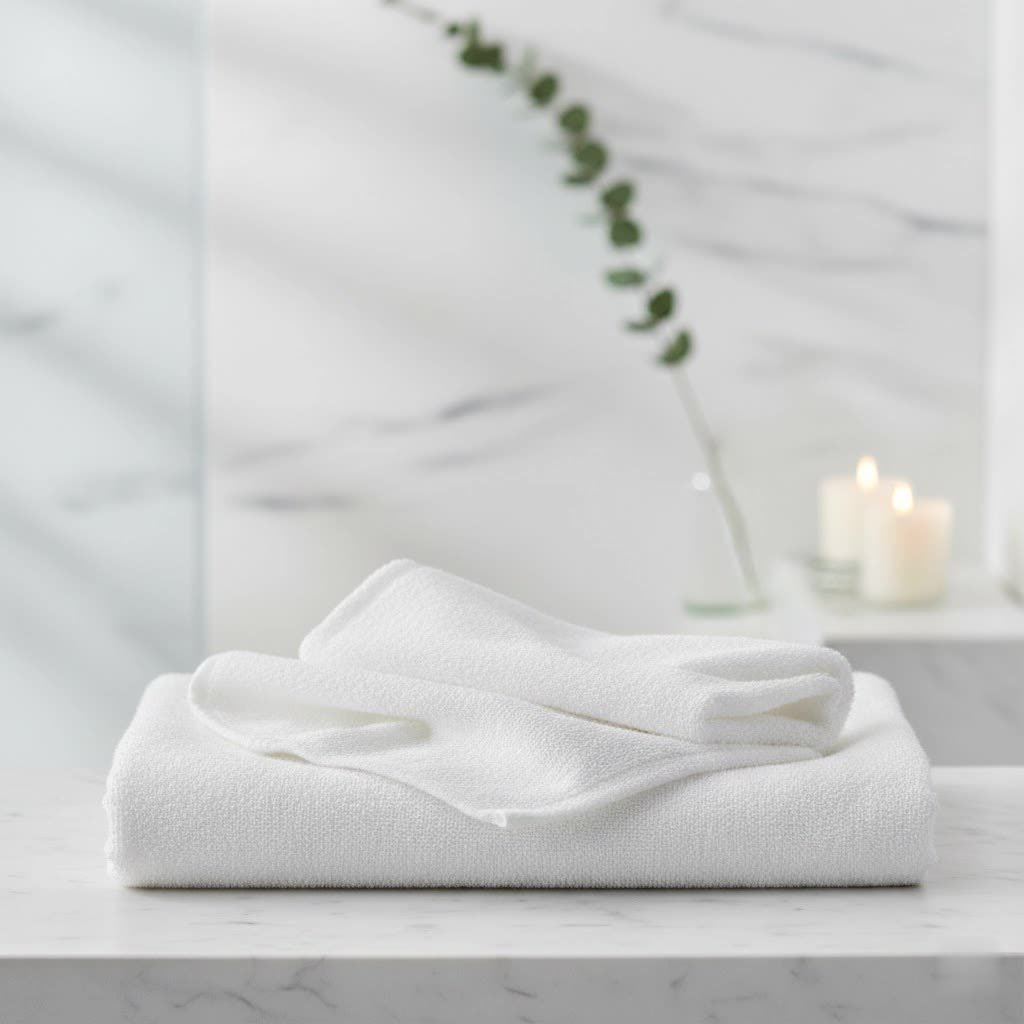
Choosing the right bath towel can transform your daily routine from mundane to a moment of pure comfort and style. It’s not just about drying off; it’s about enveloping yourself in softness, ensuring optimal hygiene for your skin, and even adding a splash of personality to your bathroom decor. In a market flooded with options, Baggu bath towels have carved out a niche with their distinctive patterns and commitment to organic materials. But beyond the eye-catching designs, how do these towels truly perform in absorbency, durability, and overall user experience? Let’s unwrap the world of Baggu bath towels to help you decide if they’re the perfect fit for your home.
What Is a Bath Towel and Why a Good One Matters?
At its core, a bath towel is designed to absorb moisture from your skin after bathing, providing a quick and comfortable drying experience. However, a truly good bath towel goes beyond mere functionality. It contributes to your skin’s health by drying effectively without harsh scrubbing, feels luxurious against your body, and withstands repeated use and washing while maintaining its quality. Investing in quality towels can elevate your daily self-care ritual and contribute to a more aesthetically pleasing and hygienic bathroom environment. Baggu aims to meet these needs by combining playful aesthetics with practical materials. For home textiles buying guides on this site.
Exploring Popular Bath Towel Types (and Where Baggu Fits In)
The towel market offers a wide array of options, primarily differentiated by material, size, and specific use. Understanding these categories helps contextualize where Baggu bath towels stand out.
-
By Material:
- Cotton: The most common material, known for its softness and excellent absorbency. Varieties include Egyptian, Pima, and Turkish cotton, prized for their long fibers and durability.
- Organic Cotton: Like the 100% organic cotton terrycloth used in Baggu towels, this material is grown without synthetic pesticides or fertilizers, making it an environmentally friendlier choice and often softer against sensitive skin. Baggu towels boast this eco-conscious material, offering a soft and comfortable feel.
- Bamboo: Environmentally friendly, highly absorbent, and naturally antibacterial, bamboo towels are exceptionally soft and a good choice for sensitive skin.
- Microfiber: Made from synthetic fibers, microfiber towels are incredibly lightweight, quick-drying, and highly absorbent, making them ideal for travel or sports.
- Linen: Known for its durability, breathability, and quick-drying properties, linen towels can be a bit stiffer than cotton initially but soften over time.
-
By Size and Purpose:
- Washcloths/Face Towels: Small towels for facial cleansing and general hand drying.
- Hand Towels: Larger than washcloths, typically used in bathrooms for hand drying. Baggu offers hand towels in a 30″ x 20″ size that many users praise for their durability.
- Bath Towels: The standard size for body drying after a shower or bath. Baggu bath towels typically measure 60″ x 30″, offering a comfortable wrap for most users.
- Bath Sheets: Significantly larger than standard bath towels, bath sheets provide more coverage and a more luxurious feel. Some Baggu towel users express a preference for bath sheets due to their larger size.
- Beach Towels: Often larger and thinner than bath towels, designed for lying on and quick drying. Baggu’s vibrant prints make their bath towels a popular choice for beach use, despite their standard bath towel dimensions.
Baggu bath towels firmly fall into the organic cotton terrycloth category, offering a soft, absorbent, and reversible design. They distinguish themselves through their playful and artistic patterns, making them a statement piece rather than just a functional item.
Detailed Comparison: Baggu Towels in Context
|
Our Picks for the Best Bath Towel in 2026
As an Amazon Associate I earn from qualifying purchases.
|
||
| Num | Product | Action |
|---|---|---|
| 1 | Amazon Basics 6 Piece Oversized Fade resistant Towel set, 100% Cotton towels for bathroom, soft and absorbent, 2 Bath Towels, 2 Hand Towels and 2 Washcloths bathroom towel set, Navy Blue |

|
| 2 | Amazon Basics Soft and Thick Cotton Hand Towels, 16 x 26 in, White, 12-Pack |
|
| 3 | Tens Towels Pack of 4 Extra Large Bath Towels 30 x 60 Inches, 100% Cotton, Larger & Lighter Weight, Quicker to Dry, Super Soft and Absorbent, Perfect for Bathroom, Brown |
|
| 4 | Tens Towels Pack of 4 Extra Large Bath Towels 30 x 60 Inches, 100% Cotton, Larger & Lighter Weight, Quicker to Dry, Super Soft and Absorbent, Perfect for Bathroom, Burgundy |
|
| 5 | Tens Towels Pack of 4 Extra Large Bath Towels 30 x 60 Inches, 100% Cotton, Larger & Lighter Weight, Quicker to Dry, Super Soft and Absorbent, Perfect for Bathroom, Black |
|
| 6 | Tens Towels Pack of 4 Extra Large Bath Towels 30 x 60 Inches, 100% Cotton, Larger & Lighter Weight, Quicker to Dry, Super Soft and Absorbent, Perfect for Bathroom, Dark Grey |
|
| 7 | Amazon Basics 6 Pack Bath Towel Set, 54 x 27 inches, 600 GSM 100% Ring Spun Cotton, Lightweight and Highly Absorbent Quick Drying Premium Towels for Hotel, Spa and Bathroom, White |
|
| 8 | Tens Towels Pack of 4 Extra Large Bath Towels 30 x 60 Inches, 100% Cotton, Larger & Lighter Weight, Quicker to Dry, Super Soft and Absorbent, Perfect for Bathroom, Blue |
|
| 9 | Tens Towels Pack of 4 Extra Large Bath Towels 30 x 60 Inches, 100% Cotton, Larger & Lighter Weight, Quicker to Dry, Super Soft and Absorbent, Perfect for Bathroom, Beige |
|
| 10 | Amazon basics 2 piece Lightweight quick-dry bath towel, 100% cotton, Platinum, 54" x 30" |
|
Let’s place Baggu’s organic cotton terrycloth towels in a comparative chart to highlight their specific attributes against other popular materials.
| Feature | Cotton (e.g., Baggu) | Bamboo | Microfiber | Linen |
|---|---|---|---|---|
| Material | 100% Organic Cotton Terrycloth | Natural bamboo fibers | Synthetic blend (polyester, polyamide) | Natural flax fibers |
| Softness | High, plush feel | Extremely soft, silky | Soft, but can feel less natural | Can be initially coarse, softens with wash |
| Absorbency | Excellent | Excellent, often superior to cotton | Superior, can absorb many times its weight | Very good |
| Drying Speed | Moderate | Moderate to fast | Very fast | Fast |
| Durability | Generally good, but mixed Baggu reviews on longevity (snagging, fading) | Good, retains softness | Good, but can degrade with high heat | Excellent, becomes stronger with age |
| Eco-friendly | Yes (organic certification) | Yes (sustainable growth, but processing can vary) | No (synthetic) | Yes (sustainable growth) |
| Key Benefit | Comfort, classic feel, vibrant designs | Hypoallergenic, luxurious softness | Lightweight, quick-dry, compact | Strength, breathability, rustic feel |
| Considerations | Can be prone to snags and fading with improper care | Higher price point | Less natural feel, heat sensitive | Can be less plush, higher cost |
How to Choose Your Perfect Bath Towel: A Pro’s Guide
Selecting the ideal bath towel involves more than just picking a color you like. As an expert in home product reviews, I recommend a systematic approach:
-
Define Your Needs:
- Daily Use: For everyday comfort and efficiency, you’ll want a towel that is soft, absorbent, and durable. Baggu bath towels, made from organic cotton, offer a plush feel that’s great for daily pampering.
- Travel/Gym: Lightweight, quick-drying options like microfiber are ideal. While Baggu bath towels are made of organic cotton, some users find them suitable for the beach due to their appealing designs, but they aren’t specifically designed for quick-drying travel.
- Sensitive Skin/Babies: Natural, chemical-free options like organic cotton or bamboo are best. Baggu’s 100% organic cotton material is a strong contender here.
- Aesthetics: If you prioritize bold patterns and unique designs to complement your bathroom, Baggu towels excel in this area. Their reversible prints offer versatility in decor.
- Budget: Baggu towels are often considered a mid-to-high-range option, and some users suggest they are more justifiable when purchased on sale.
-
Assess Quality Indicators:
- Material: Baggu uses 100% organic cotton terrycloth, which inherently suggests a commitment to quality and comfort. Look for certifications like GOTS (Global Organic Textile Standard) for assurance.
- Weight/GSM (Grams Per Square Meter): While Baggu doesn’t prominently feature GSM, generally, a higher GSM (400-600+) indicates a denser, more absorbent, and often more luxurious towel. Users describe Baggu towels as soft and initially thick.
- Softness: The plushness of Baggu’s organic cotton terrycloth is a frequently praised attribute. Feel the towel; it should be soft and inviting.
- Stitching and Construction: Inspect the hems and seams. They should be neat, secure, and free from loose threads to prevent unraveling. Some users have reported initial issues with loose threads and snagging on Baggu bath towels.
- Absorbency: While Baggu towels are generally described as absorbent, some users note that shedding fibers can occur initially. A simple test involves dropping a few water droplets on the towel; a good towel will absorb them quickly.
Top Bath Towels: A Closer Look at Baggu’s Offering
Baggu bath towels are celebrated for their distinctive aesthetic and feel, but user experiences are mixed when it comes to long-term performance.
Baggu bath towels shine with their bold, reversible patterns that instantly infuse personality into any bathroom or beach day. Made from 100% organic cotton terrycloth, they are praised for being soft and plush, offering a comforting embrace after a bath or shower. Many find them absorbent and appreciate the eco-friendly material. The hand towels, in particular, receive consistent positive feedback for their durability and softness over time.
However, some users have reported challenges with the bath towels. Common concerns include:
- Snagging and Pulls: The looped terrycloth can be prone to snagging easily, which can affect the towel’s appearance over time.
- Fading and Wear: Some towels show significant fading after several washes, and the trim may shrink unevenly, leading to a warped appearance.
- Shedding: A few users mentioned persistent lint or fibers left on the skin after drying, even after multiple washes.
- Durability vs. Price: Given their price point, some users feel the bath towels do not hold up as well as expected compared to less expensive alternatives, particularly after several months of regular use. It seems that specific production batches or care routines might influence these outcomes, with some older collections seemingly performing better.
“A good bath towel is more than just a personal item; it’s a companion that cares for your skin.”
Essential Tips to Keep Your Towels Soft and Durable
Proper care is crucial for extending the life and maintaining the quality of any bath towel, especially those made from natural fibers like organic cotton.
- Pre-Wash New Towels: Always wash new towels before their first use. This removes any manufacturing coatings (sizing) that can reduce absorbency and eliminates excess lint. Using a cup of white vinegar in the wash can help set colors and boost absorbency.
- Wash Separately: Wash towels separately from other laundry items to prevent lint transfer and protect delicate fabrics.
- Cold or Warm Gentle Wash: Use cold or warm water with a gentle cycle to preserve colors and fabric integrity. Hot water can be harsh on cotton fibers.
- Use the Right Detergent: Opt for a mild, dye-free, fragrance-free detergent. Avoid using excessive detergent, as residue can stiffen towels over time.
- Skip the Fabric Softener: Fabric softeners and fragrance beads can build up a waxy coating on towel fibers, reducing their absorbency and making them feel less soft over time. Instead, use half a cup of white vinegar in the fabric softener dispenser during the wash cycle to naturally soften towels and remove detergent residue. Wool dryer balls can also naturally soften towels in the dryer.
- Tumble Dry Low or Air Dry: High heat can damage cotton fibers, cause colors to fade, and lead to shrinkage (especially in the trim, as reported by some Baggu users). Tumble dry on a low heat setting, or better yet, air dry outdoors away from direct sunlight for freshness and to extend their lifespan.
- Avoid Bleach and Optical Brighteners: Bleach can weaken cotton fibers and fade colors. Optical brighteners, often found in “boosting” detergents, can also damage natural fibers.
- Don’t Overload the Washer/Dryer: Give towels plenty of room to tumble freely for a thorough clean and efficient drying.
- Trim Snags Immediately: If you notice a snag, carefully snip the loose loop with scissors. Do not pull it, as this can unravel the towel further.
- Know When to Replace: Even with the best care, towels eventually wear out. If your towel becomes thin, loses absorbency, develops persistent odors, or is severely frayed, it’s time for a replacement (typically every 2-5 years depending on quality and use).
Conclusion
Baggu bath towels offer a unique blend of vibrant design and soft organic cotton, making them a popular choice for those looking to add a touch of personality to their bathroom essentials. While their initial softness and bold patterns are widely appreciated, potential buyers should be mindful of mixed reviews regarding their long-term durability, including tendencies for snagging, fading, and shrinkage with improper care. By understanding the material, employing meticulous washing techniques, and having realistic expectations about their longevity compared to more traditionally robust bath towels, you can still enjoy the playful charm and comfortable feel that Baggu brings.
Ultimately, are you prioritizing unique style and the eco-friendly appeal of organic cotton, or is extreme durability and a traditional “bath sheet” feel your main concern?
Frequently Asked Questions
Which bath towel is best for sensitive skin?
For sensitive skin, towels made from 100% organic cotton, like Baggu bath towels, or bamboo are often recommended. These materials are typically grown without harsh chemicals and offer a naturally soft, gentle touch, reducing the risk of irritation.
How often should you replace bath towels?
Generally, bath towels should be replaced every 2 to 5 years, depending on their quality, frequency of use, and care routine. Signs it’s time for a new towel include thinning fabric, reduced absorbency, persistent odors, or fraying edges.
Are Baggu bath towels truly absorbent?
Yes, Baggu bath towels are made from 100% organic cotton terrycloth, which is known for its excellent absorbency. However, proper pre-washing and avoiding fabric softeners are crucial to maintain their wicking capabilities and ensure optimal performance.
Get our weekly buyer guide
Practical specs, not advice. Unsubscribe anytime.
