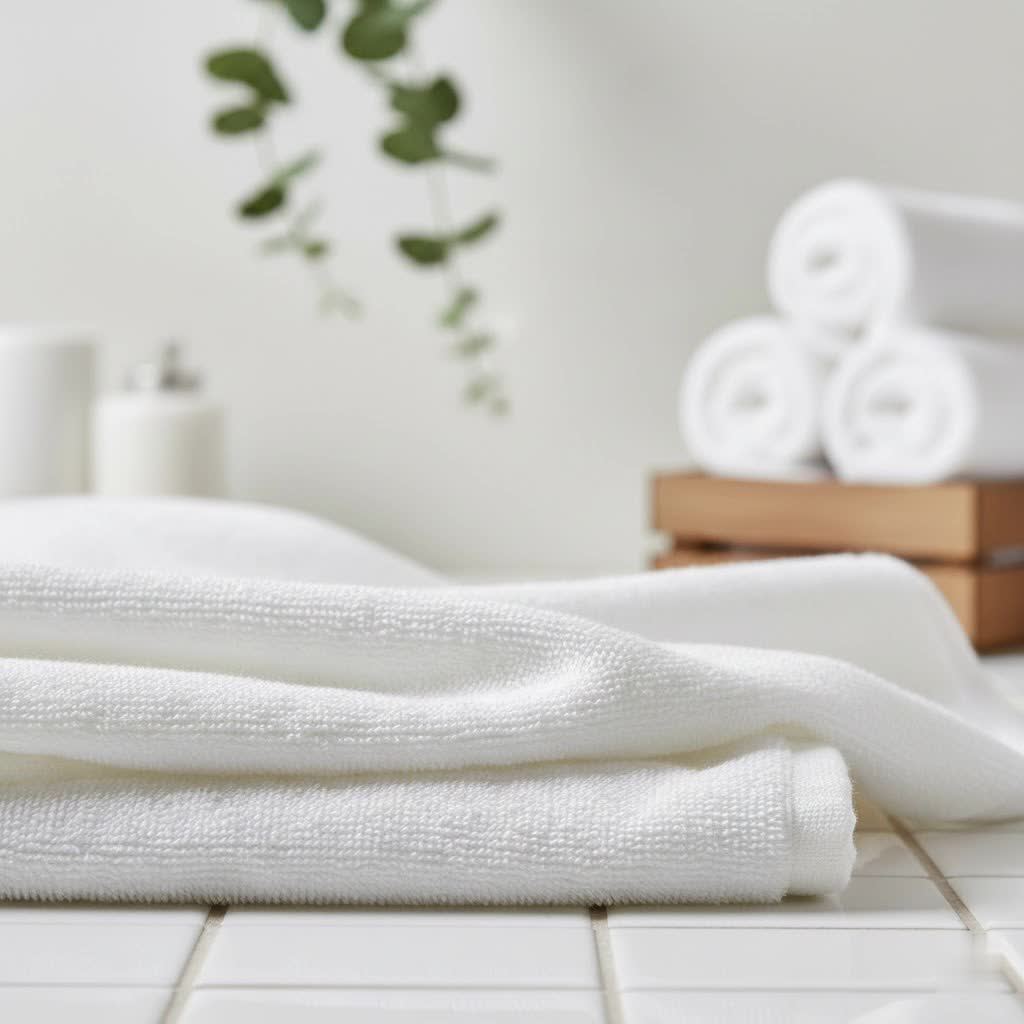
Stepping out of a warm shower or a relaxing bath, there’s nothing quite like the soft embrace of a quality bath mat underfoot. Far more than just a decorative accent, a great bath mat acts as your bathroom’s silent guardian, absorbing moisture, preventing slips, and offering a comforting landing for your bare feet. For over a decade, I’ve immersed myself in the world of home linens, understanding the nuances of materials, absorbency, durability, and care. My goal is to guide you through the intricate world of bath mat floor towels, helping you choose a companion that perfectly blends safety, comfort, and style for your bathroom.
What is a Bath Mat Floor Towel? Why You Need a Good One
At its core, a bath mat floor towel is a highly absorbent textile designed to be placed on your bathroom floor, typically outside the shower or bathtub. Unlike traditional bathroom rugs that might prioritize decorative thickness, a “floor towel” emphasizes superior absorbency and quick-drying properties, much like a good quality bath towel. Its primary role is to soak up excess water from your feet and drips from your body, keeping your bathroom floor dry and preventing slippery hazards. Beyond safety, these mats offer a crucial layer of comfort, transforming your bathroom into a more spa-like, inviting space. A quality mat also plays a significant role in maintaining bathroom hygiene by minimizing moisture that can lead to mold, mildew, and unpleasant odors.
Popular Types of Bath Mat Materials
The material of your bath mat floor towel dictates its performance, feel, and longevity. Understanding the characteristics of each is key to making an informed choice.
- Cotton: A perennial favorite, cotton bath mats are celebrated for their natural softness and excellent absorbency. Varieties like Egyptian cotton and Turkish cotton, known for their long fibers, offer superior plushness and durability. Cotton mats are typically machine washable, making them convenient for daily use. However, they can take longer to dry compared to synthetic options, and without proper ventilation, may be more prone to mildew.
- Microfiber: Made from ultra-fine synthetic fibers, microfiber mats are champions of absorbency and quick-drying. They efficiently wick moisture away from your feet and dry rapidly, which is ideal for busy bathrooms or humid environments. Microfiber offers a soft, plush feel and is often stain-resistant and budget-friendly, though some may find the synthetic feel less natural than cotton.
- Memory Foam: For those who crave ultimate cushioning, memory foam bath mats are a dream. They contour to your feet, providing exceptional comfort and pressure relief. While absorbent, memory foam can retain moisture longer, potentially slowing down drying times and requiring more careful maintenance to prevent mildew. Many designs now feature removable, washable covers to address this.
- Stone (Diatomaceous Earth): A modern and highly effective option, bath mats made from diatomaceous earth absorb water almost instantly, drying within seconds. These rigid, natural stone mats are naturally mold-resistant and offer a unique, minimalist aesthetic. While they lack the plush feel of fabric mats, their quick-drying and hygienic properties are unparalleled.
- Bamboo/Wood: Offering a natural, spa-like ambiance, bamboo or wooden slatted mats provide good air circulation, allowing water to evaporate quickly. They possess natural antimicrobial properties. However, these mats are not absorbent; water pools on the surface before evaporating, and they may feel less soft underfoot. Some can also be slippery when wet.
- Linen: While less common for thick bath mats, linen offers a quick-drying, breathable option. Linen mats tend to be thinner and less plush than cotton, but they are durable and become softer with each wash, offering a textured, minimalist look.
Detailed Comparison Table for Bath Mat Materials
| Material | Pros | Cons | Ideal For |
|---|---|---|---|
| Cotton | Soft, highly absorbent, natural feel, machine washable | Slower drying, prone to mildew if not dried properly, can lint | Everyday use, traditional comfort, matching bath linen sets |
| Microfiber | Super absorbent, fast-drying, soft, often budget-friendly | Synthetic feel, can shed fibers over time, may not be as luxurious | High-traffic bathrooms, humid climates, quick-dry priority |
| Memory Foam | Exceptional cushioning, plush comfort, molds to feet | Slower drying, can trap moisture if not properly ventilated/designed | Ultimate comfort, therapeutic relief, luxury feel |
| Stone (Diatomite) | Instant absorbency, extremely fast-drying, mold-resistant, hygienic | Rigid/hard underfoot, not plush, can be heavy | Modern bathrooms, hygiene-focused, quick-dry priority |
| Bamboo/Wood | Natural antimicrobial, quick-evaporating (not absorbent), aesthetic | Not absorbent (water pools), can be slippery, rigid, requires sealing | Spa-like aesthetic, good ventilation, non-absorbent preference |
| Linen | Fast-drying, breathable, durable, softens with use, natural feel | Less plush/cushioned than cotton, may feel coarser initially | Minimalist style, quick-dry preference, eco-conscious |
How to Choose Your Bath Mat Floor Towel Like an Expert
Selecting the perfect bath mat floor towel requires a blend of practicality and personal preference. Here’s how to approach it like a seasoned pro:
Determine Your Usage Needs
|
Our Picks for the Best Bath Towel in 2026
As an Amazon Associate I earn from qualifying purchases.
|
||
| Num | Product | Action |
|---|---|---|
| 1 | Amazon basics 2 piece Lightweight quick-dry bath towel, 100% cotton, Platinum, 54" x 30" |

|
| 2 | Amazon Basics 6 Pack Bath Towel Set, 54 x 27 inches, 600 GSM 100% Ring Spun Cotton, Lightweight and Highly Absorbent Quick Drying Premium Towels for Hotel, Spa and Bathroom, White |
|
| 3 | Tens Towels Pack of 4 Extra Large Bath Towels 30 x 60 Inches, 100% Cotton, Larger & Lighter Weight, Quicker to Dry, Super Soft and Absorbent, Perfect for Bathroom, Blue |
|
| 4 | Tens Towels Pack of 4 Extra Large Bath Towels 30 x 60 Inches, 100% Cotton, Larger & Lighter Weight, Quicker to Dry, Super Soft and Absorbent, Perfect for Bathroom, Brown |
|
| 5 | Amazon Basics Soft and Thick Cotton Hand Towels, 16 x 26 in, White, 12-Pack |
|
| 6 | Tens Towels Pack of 4 Extra Large Bath Towels 30 x 60 Inches, 100% Cotton, Larger & Lighter Weight, Quicker to Dry, Super Soft and Absorbent, Perfect for Bathroom, Burgundy |
|
| 7 | Tens Towels Pack of 4 Extra Large Bath Towels 30 x 60 Inches, 100% Cotton, Larger & Lighter Weight, Quicker to Dry, Super Soft and Absorbent, Perfect for Bathroom, Dark Grey |
|
| 8 | Amazon Basics 6 Piece Oversized Fade resistant Towel set, 100% Cotton towels for bathroom, soft and absorbent, 2 Bath Towels, 2 Hand Towels and 2 Washcloths bathroom towel set, Navy Blue |
|
| 9 | Tens Towels Pack of 4 Extra Large Bath Towels 30 x 60 Inches, 100% Cotton, Larger & Lighter Weight, Quicker to Dry, Super Soft and Absorbent, Perfect for Bathroom, Black |
|
| 10 | Tens Towels Pack of 4 Extra Large Bath Towels 30 x 60 Inches, 100% Cotton, Larger & Lighter Weight, Quicker to Dry, Super Soft and Absorbent, Perfect for Bathroom, Beige |
|
Before diving into materials and styles, consider how and where your bath mat will be used.
- Daily Use vs. Guest Bathroom: For daily use, prioritize durability, absorbency, and ease of cleaning. For a guest bathroom, you might lean towards aesthetic appeal and plushness.
- Household Members: In homes with children or elderly individuals, non-slip features are paramount to prevent accidents.
- Climate: In humid environments, quick-drying materials like microfiber, stone, or linen are crucial to prevent mold and mildew.
- Budget: Bath mats come in a wide range of price points. Establish your budget to narrow down options without compromising on essential features.
Examine the Quality of the Bath Mat
Once you’ve identified your needs, scrutinize the mat’s construction and features.
- Thickness and Weight (GSM): For fabric mats, higher GSM (grams per square meter) generally indicates a denser, more absorbent, and plush mat. A thick mat will offer more cushioning and absorbency.
- Softness: The feel underfoot is subjective but crucial for comfort. Cotton and microfiber are generally soft, while memory foam offers a cushioned experience. Always try to feel the texture if possible.
- Non-Slip Backing: This is a non-negotiable safety feature, especially for fabric mats on smooth tile floors. Look for mats with a latex, rubber, or silicone backing, or consider a separate non-slip rug pad.
- Absorbency: A high-quality bath mat should efficiently soak up water. Some product descriptions provide details on absorbency ratings, or you can check reviews for real-world performance.
- Stitching and Edges: Well-made mats have strong, even stitching that won’t fray easily. Check for reinforced edges for added durability.
- Certifications: For natural fiber mats, look for certifications like Oeko-Tex Standard 100, which ensures the product is free from harmful substances, beneficial for sensitive skin.
Choose Your Size, Color, and Style
Finally, integrate your practical needs with your aesthetic desires.
- Size: Measure your bathroom space, particularly the area in front of your shower, tub, or vanity. A mat that is too small can look lost, while one that’s too large can overwhelm the space. A good rule of thumb is for the mat to span about two-thirds the length of your fixture. For narrow bathrooms, a runner-style mat can be highly effective.
- Color and Style: Your bath mat should complement your bathroom’s existing decor. Whether you prefer a bold splash of color, a neutral tone, or a patterned design, ensure it enhances the overall ambiance. Simple, timeless designs often offer the most versatility.
Top Bath Mat Floor Towels for Every Preference
While specific brands constantly evolve, certain types of bath mat floor towels consistently receive high praise for their performance and user experience.
- The Plush Cotton Haven: Often crafted from high-quality Turkish or Egyptian cotton, these mats offer a luxuriously soft and thick pile, providing an indulgent experience after every shower. They excel in absorbency and bring a classic, hotel-like feel to any bathroom. Look for options with robust loop construction and a dense weave for maximum comfort and durability.
- The Quick-Dry Microfiber Marvel: Perfect for high-traffic bathrooms or humid climates, these microfiber mats boast exceptional absorbency coupled with remarkably fast drying times. Their synthetic fibers are engineered to wick moisture away swiftly, preventing that damp, lingering feeling and discouraging mildew growth. Many are also lightweight and easy to machine wash and dry.
- The Modern Stone Sanctuary: For those seeking a minimalist aesthetic and unparalleled hygiene, diatomaceous earth stone mats are a game-changer. They provide an immediate dry surface, absorbing water upon contact and evaporating it rapidly. Though firm underfoot, their low maintenance and sleek appearance make them a popular choice in contemporary bathrooms.
> “A good bath mat is more than just a bathroom accessory; it’s a daily touchpoint that influences your comfort, safety, and the overall hygiene of your personal sanctuary.”
Tips for Keeping Your Bath Mat Floor Towel Soft and Durable
Proper care is essential to extending the life of your bath mat floor towel and maintaining its softness, absorbency, and hygiene.
- Wash Regularly: For optimal hygiene, aim to wash your bath mat floor towel at least once a week, especially if it’s used daily. Fabric mats, much like bath towels, can harbor bacteria and odors if left damp.
- Separate Laundry: Always wash bath mats separately from other laundry, or with items of similar material and color. This prevents lint transfer and protects delicate items from the mat’s heavier texture or backing.
- Gentle Cycle and Mild Detergent: Use a gentle cycle with cold or warm water and a mild detergent. Avoid harsh chemicals, bleach, or fabric softeners, as these can break down fibers, reduce absorbency, and damage non-slip backings. For rubber-backed mats, avoid high temperatures in both washing and drying.
- Shake It Out: Before and after washing, give your mat a good shake to dislodge debris and fluff the fibers. This helps maintain its plushness and speeds up drying.
- Proper Drying is Key: Air drying is ideal for most bath mats, especially those with rubber backings, as direct sunlight can act as a natural sterilizer. If using a dryer, opt for a low heat setting and remove the mat while it’s still slightly damp to prevent damage to backing and preserve fiber integrity. Never put a rubber-backed mat in a hot dryer. Hang fabric mats between uses to ensure they dry completely and prevent mildew.
- Rotate and Refresh: If you have multiple bath mats, rotate them regularly to distribute wear evenly. For persistent odors, a mixture of white vinegar and baking soda can be used as a pre-soak before washing.
- Know When to Replace: Even the best bath mat floor towels have a lifespan. Replace your mat if it develops permanent stains, shows significant wear and tear, loses its absorbency or non-slip properties, or retains unpleasant odors even after washing.
Conclusion
Choosing the right bath mat floor towel can profoundly elevate your daily routine, bringing a blend of safety, comfort, and style to your bathroom. From the plush softness of cotton to the rapid-dry efficiency of stone, there’s a perfect mat out there for every need and preference. By understanding the different materials, scrutinizing quality features like absorbency and non-slip backing, and committing to proper care, you can ensure your bath mat remains a hygienic, comforting, and long-lasting addition to your home. So, which bath mat will become your bathroom’s next best friend?
Frequently Asked Questions
Which bath mat is best for quick drying and preventing mildew?
For superior quick-drying capabilities and to effectively combat mildew, microfiber or diatomaceous earth stone bath mats are highly recommended. Microfiber efficiently wicks away moisture and dries rapidly, while stone mats absorb water almost instantly and evaporate it in seconds, making them excellent choices for humid environments or frequently used bathrooms.
How often should I wash my bath mat floor towel?
Ideally, a bath mat floor towel used daily should be washed once a week to maintain hygiene and prevent the buildup of bacteria and odors. In high-traffic bathrooms or if the mat gets excessively wet, more frequent washing might be beneficial.
Can bath mats be tumble dried?
Many fabric bath mats, especially those made of cotton or microfiber, can be tumble dried on a low heat setting. However, it’s crucial to check the care label, particularly for mats with rubber or latex backings, as high heat can damage the backing and reduce its non-slip effectiveness. Air drying is often the safest option for longevity.
Get our weekly buyer guide
Practical specs, not advice. Unsubscribe anytime.
