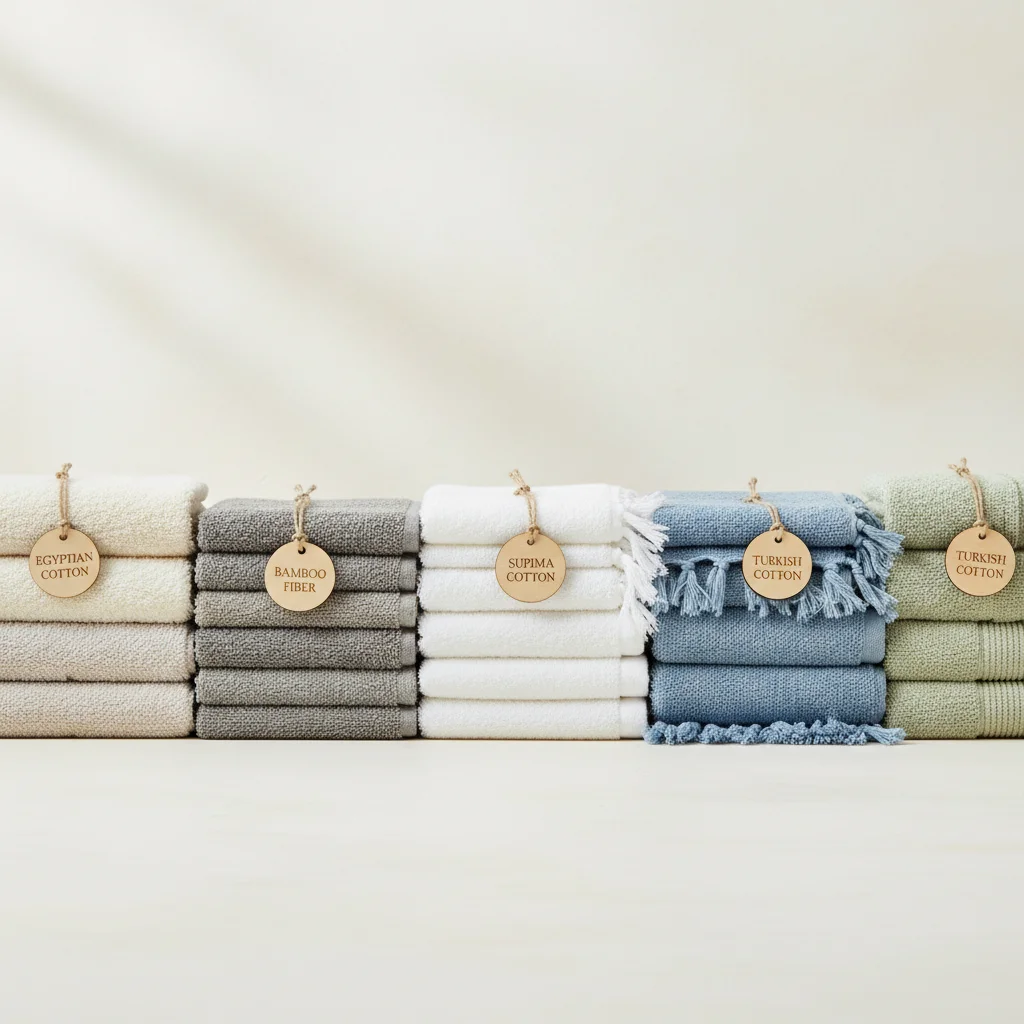
Choosing the right bath towel material is crucial for achieving ultimate softness and comfort after a relaxing bath or shower. While many factors contribute to a towel’s feel, the inherent properties of its fibers play the most significant role. There are five primary materials that consistently deliver exceptional softness, each with unique characteristics that cater to different preferences and needs.
Egyptian Cotton: The Gold Standard of Softness
Egyptian cotton is widely regarded as one of the softest and most luxurious bath towel materials available. Its long, fine fibers create a dense yet incredibly plush pile that feels gentle against the skin. The extra-long staple length of Egyptian cotton allows for stronger, smoother threads, which translates to a more durable and softer towel that resists pilling and maintains its integrity over time. This material is also highly absorbent, making it a practical choice for everyday use.
Pima Cotton: A Close Contender for Supreme Comfort
Similar to Egyptian cotton, Pima cotton boasts long-staple fibers that contribute to its exceptional softness and strength. Grown primarily in the southwestern United States, Pima cotton offers a luxurious feel that is often compared to its Egyptian counterpart. Towels made from Pima cotton are known for their durability, absorbency, and a silky-smooth texture that enhances the post-bath experience. They are an excellent choice for those seeking high-quality softness without the premium price tag sometimes associated with Egyptian cotton.
Supima Cotton: American-Grown Luxury
Supima cotton is a registered trademark for products made from 100% American Pima cotton. This designation guarantees a superior product, as Supima cotton adheres to strict quality standards. Towels crafted from Supima cotton are celebrated for their incredible softness, vibrant color retention, and remarkable strength. The fibers are 35% longer than regular cotton, resulting in a softer, more lustrous fabric that is less prone to pilling and fraying.
Bamboo Viscose: Silky Smooth and Eco-Friendly
|
Our Picks for the Best Bath Towel in 2026
As an Amazon Associate I earn from qualifying purchases.
|
||
| Num | Product | Action |
|---|---|---|
| 1 | Amazon Basics 6 Piece Oversized Fade resistant Towel set, 100% Cotton towels for bathroom, soft and absorbent, 2 Bath Towels, 2 Hand Towels and 2 Washcloths bathroom towel set, Navy Blue |

|
| 2 | Tens Towels Pack of 4 Extra Large Bath Towels 30 x 60 Inches, 100% Cotton, Larger & Lighter Weight, Quicker to Dry, Super Soft and Absorbent, Perfect for Bathroom, Dark Grey |
|
| 3 | Amazon Basics Soft and Thick Cotton Hand Towels, 16 x 26 in, White, 12-Pack |
|
| 4 | Tens Towels Pack of 4 Extra Large Bath Towels 30 x 60 Inches, 100% Cotton, Larger & Lighter Weight, Quicker to Dry, Super Soft and Absorbent, Perfect for Bathroom, Brown |
|
| 5 | Tens Towels Pack of 4 Extra Large Bath Towels 30 x 60 Inches, 100% Cotton, Larger & Lighter Weight, Quicker to Dry, Super Soft and Absorbent, Perfect for Bathroom, Burgundy |
|
| 6 | Tens Towels Pack of 4 Extra Large Bath Towels 30 x 60 Inches, 100% Cotton, Larger & Lighter Weight, Quicker to Dry, Super Soft and Absorbent, Perfect for Bathroom, Beige |
|
| 7 | Tens Towels Pack of 4 Extra Large Bath Towels 30 x 60 Inches, 100% Cotton, Larger & Lighter Weight, Quicker to Dry, Super Soft and Absorbent, Perfect for Bathroom, Blue |
|
| 8 | Amazon Basics 6 Pack Bath Towel Set, 54 x 27 inches, 600 GSM 100% Ring Spun Cotton, Lightweight and Highly Absorbent Quick Drying Premium Towels for Hotel, Spa and Bathroom, White |
|
| 9 | Tens Towels Pack of 4 Extra Large Bath Towels 30 x 60 Inches, 100% Cotton, Larger & Lighter Weight, Quicker to Dry, Super Soft and Absorbent, Perfect for Bathroom, Black |
|
| 10 | Amazon basics 2 piece Lightweight quick-dry bath towel, 100% cotton, Platinum, 54" x 30" |
|
Bamboo viscose, derived from bamboo pulp, offers a distinctively silky and smooth feel that is often described as softer than cotton. This material is naturally hypoallergenic and has excellent moisture-wicking properties, making it a great choice for those with sensitive skin or who prefer a quick-drying towel. Bamboo towels are also known for their natural sheen and drape, adding a touch of elegance to any bathroom. The sustainable nature of bamboo cultivation also appeals to environmentally conscious consumers.
Microfiber: Lightweight Softness and Rapid Drying
While often associated with cleaning cloths, high-quality microfiber can also produce incredibly soft and lightweight bath towels. Composed of ultra-fine synthetic fibers, microfiber towels are exceptionally soft to the touch and boast superior absorbency and rapid drying times. This makes them ideal for travel, gym use, or for anyone who prioritizes quick drying and a plush, gentle feel. However, it’s important to choose microfiber specifically designed for bath use, as not all microfiber is created equal in terms of softness and absorbency.
Key Factors for Softness Beyond Material
Beyond the raw material, several other factors influence a bath towel’s softness:
- Weave Type: Terry cloth, with its looped pile, is common for softness and absorbency. Dobby and jacquard weaves can also enhance texture.
- GSM (Grams per Square Meter): Higher GSM generally indicates a denser, more plush towel, contributing to softness. Look for 500-700 GSM for optimal comfort.
- Twist of the Yarn: Low-twist or zero-twist yarns create a softer, more absorbent towel because the fibers are less compressed.
- Care and Washing: Proper washing and drying techniques, including avoiding harsh detergents and over-drying, can help maintain a towel’s softness over time.
- Fabric Finish: Some towels undergo special finishing processes to enhance their softness and absorbency.
Get our weekly buyer guide
Practical specs, not advice. Unsubscribe anytime.
